

At UK-Med we send highly skilled healthcare professionals to some of the most dangerous places on the planet. We do it because we believe everyone deserves access to healthcare. Delivering that healthcare in emergencies is not an easy task and it cannot be done alone. Increasingly, emergency medical teams must work in partnership to be effective – impacted by reductions in humanitarian aid budgets over the past few years.
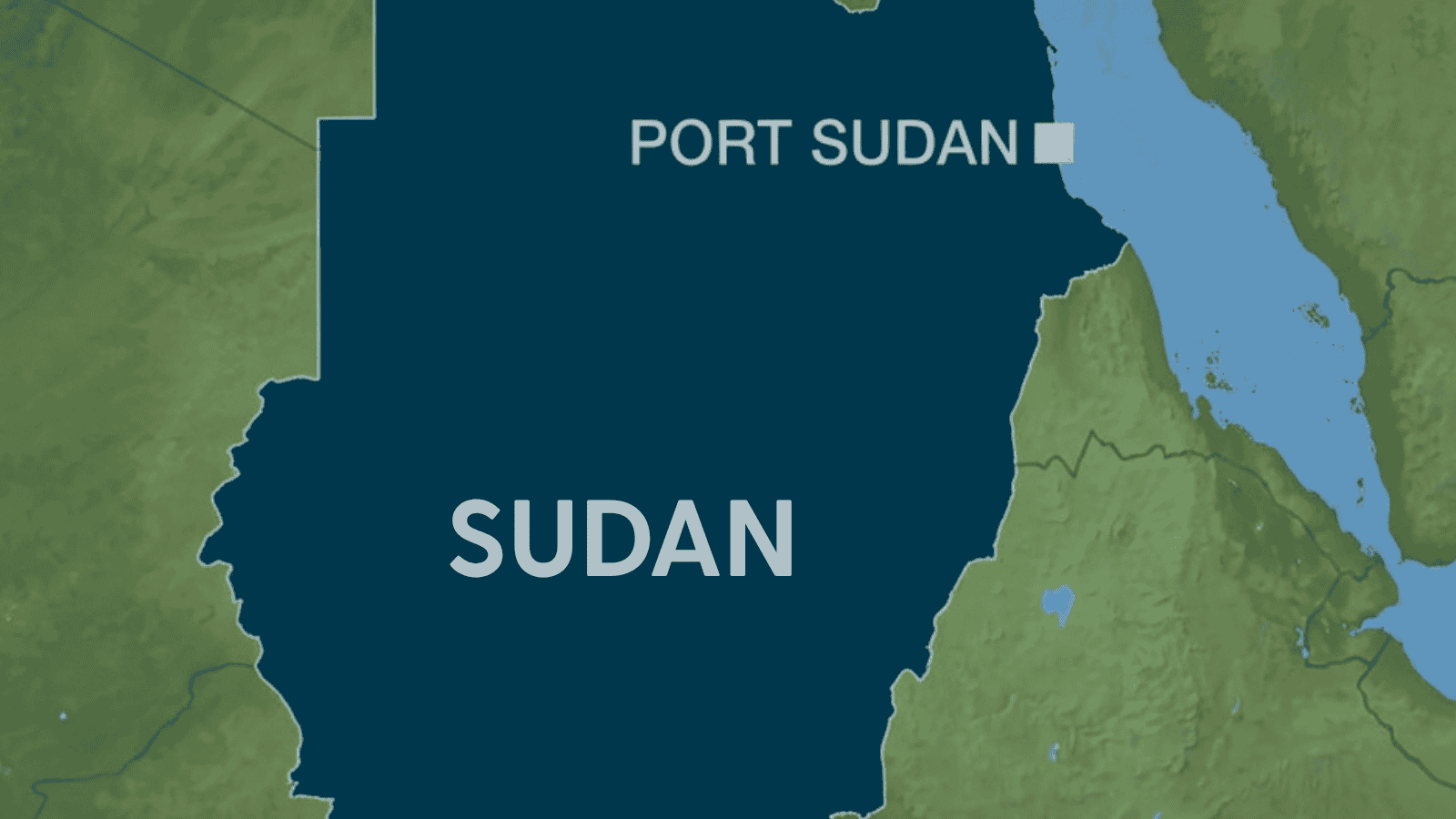
Providing healthcare is a complex task involving many moving parts. It’s complicated enough in a stable, wealthy country like the UK, so imagine the challenges involved in Sudan, a country entering its fourth year of conflict. Coordination is key.
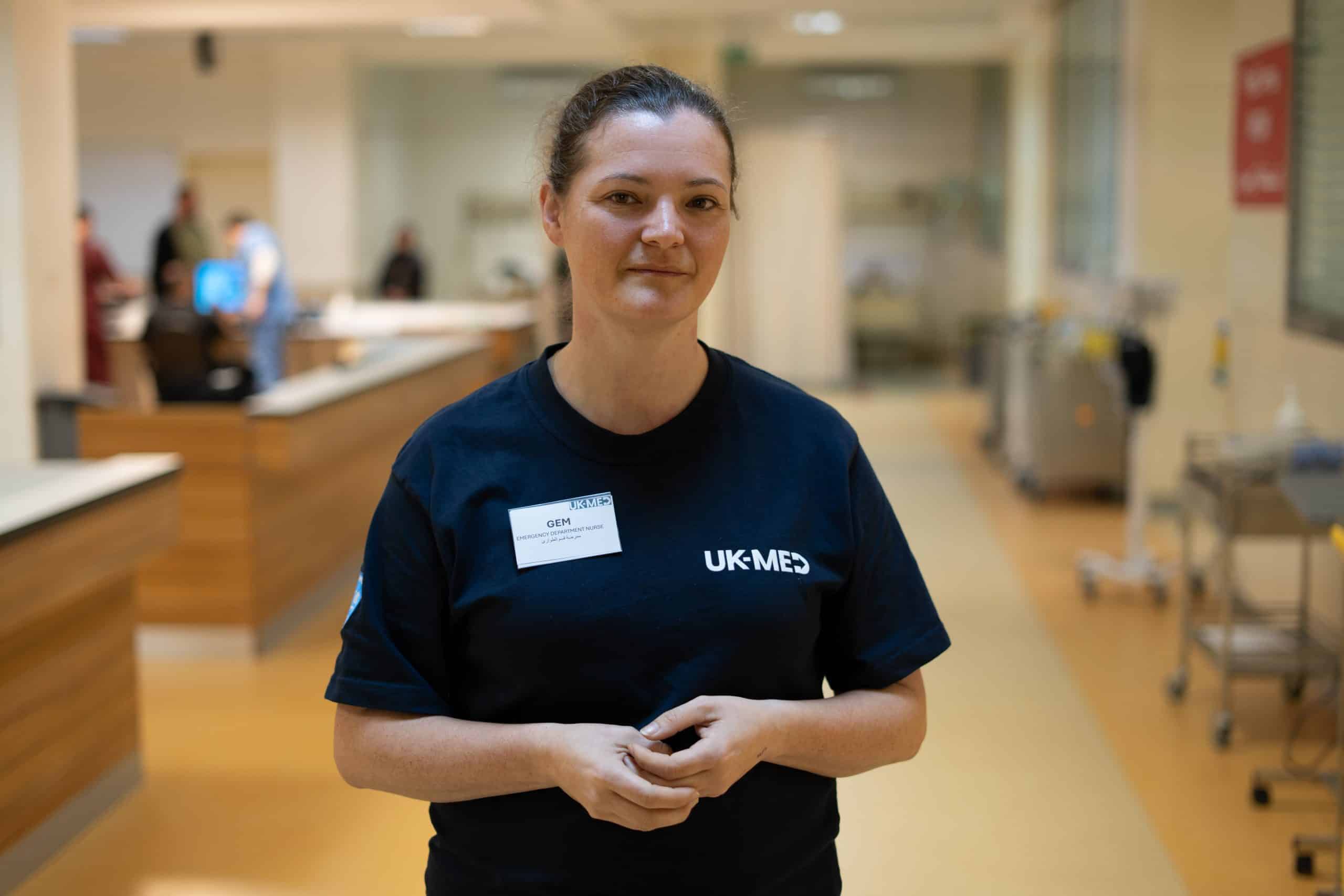
Thankfully, UK-Med has Dr. Joanna Drogowska on the ground in Port Sudan. Dr. Joanna is highly experienced in emergency medical coordination and is currently working for UK-Med on a Standby Partnership with the World Health Organization (WHO).
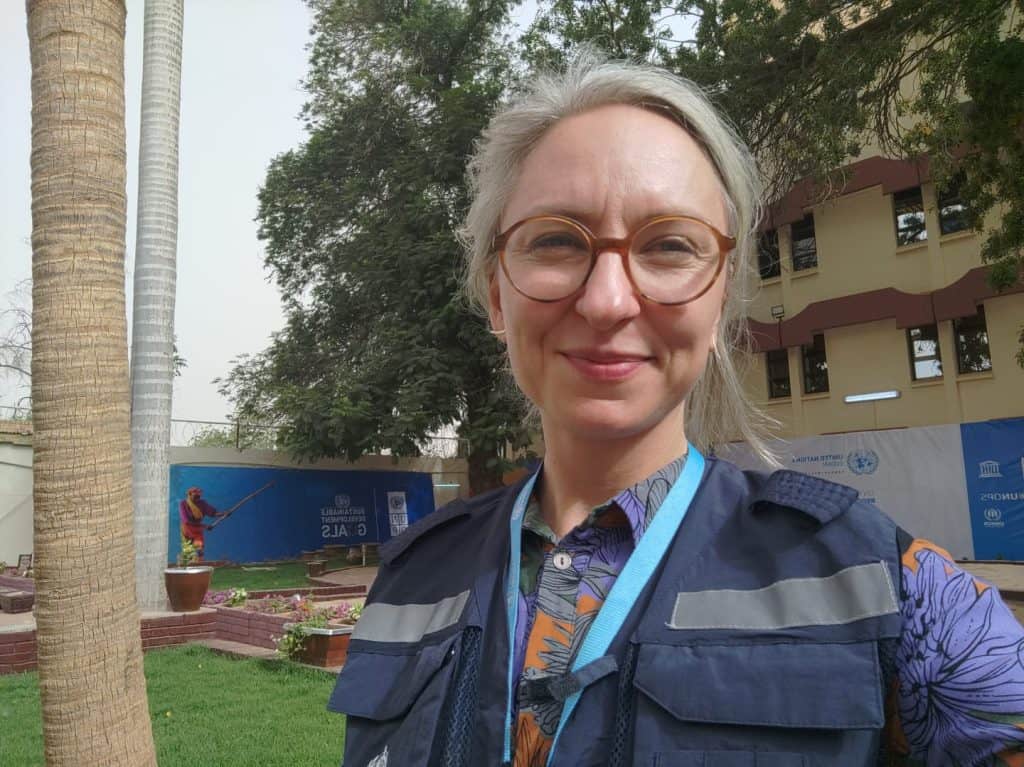
Standby Partnerships provides the United Nations with access to specialist staff from a range of organisations, placing them where they are needed most to cover surge support. Dr. Joanna is assisting the coordination of international emergency medical teams in Sudan. It’s a tough job, but one she was ready for, after working extensively coordinating teams across Europe:
“I was recruited to support the international emergency medical teams and the Ministry of Health, to coordinate where the teams go and where they can be most effective. I also support the operations in-country with data management and provide quality assessment of their work”.
Utilising Dr. Joanna’s skills and experience on the ground means emergency medical teams have a direct link to the evolving situation:
“It’s important to build relationships…it’s been great to coordinate with other agencies to build a better picture of the circumstances in the country, and that informs the work we do”.
Without this coordinated approach, international health teams would not be as efficient as they can be, and patients could suffer from treatment gaps. The skills shared through Standby Partnerships allow dedicated professionals to offer their experience to UN projects that require surge capacity.
The Standby Partnerships initiative began in 1991 and has grown considerably since. These specialised collaborations now respond to over 1000 requests annually, across several UN organisations, in over 100 countries worldwide.
With experts in their field able to provide the support required when emergencies hit, Standby Partnerships mean strengthened humanitarian support for people in need during times of crisis. UK-Med is very proud to be a part of the Standby Partners initiative, offering professionals, like Joanna, to projects around the world.
Find out more about Standby Partnerships here: https://www.standbypartnership.org/