

Everyone should get the healthcare they need when disasters hit. Right now, millions don’t. This is our plan to change that.
We developed our 2026-31 strategy over the past year with input and insight from staff across the entire organisation. It’s an ambitious plan as we set to meet the increasing need that we’re seeing year upon year, and one that’s only made possible thanks to our fantastic members and supporters.
We hope you enjoy reading. Thank you for being a part of the journey with us.
Our vision
A world where everyone gets the healthcare they need when emergencies hit.
Our mission
We save lives in emergencies.
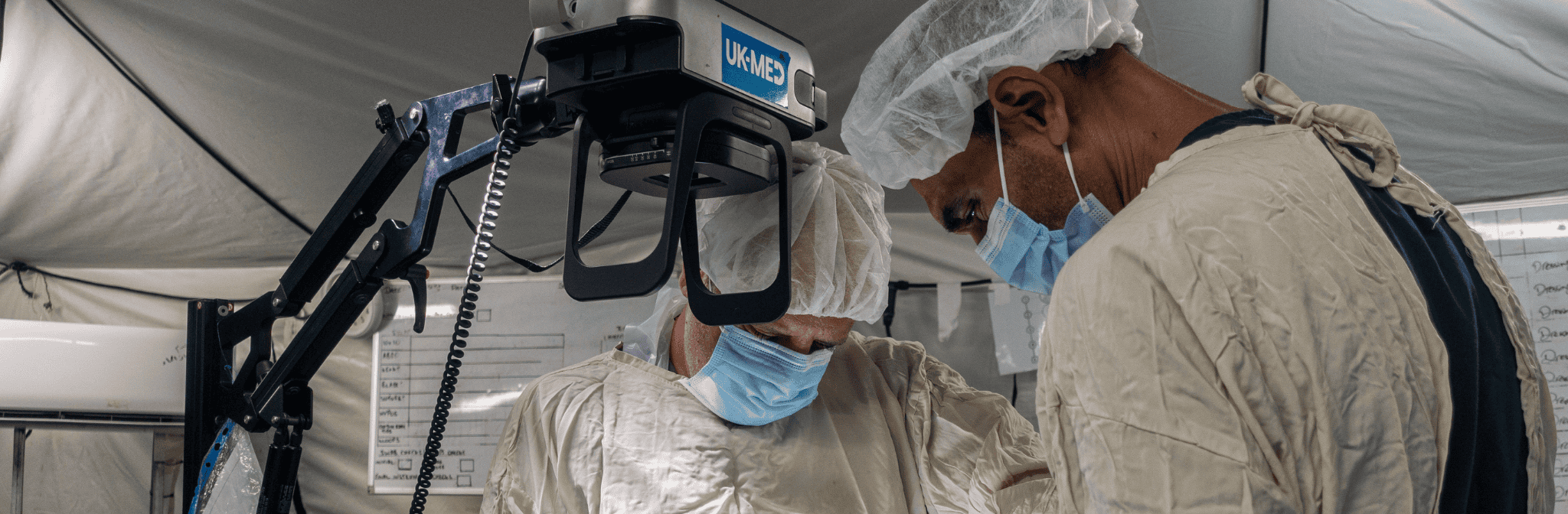
When health services are overwhelmed by disasters, disease outbreaks or conflict, we get expert health staff to where they’re needed, fast.
We help health staff worldwide prepare for future crises
The situation we’re facing
In the last five years, the world has changed dramatically.
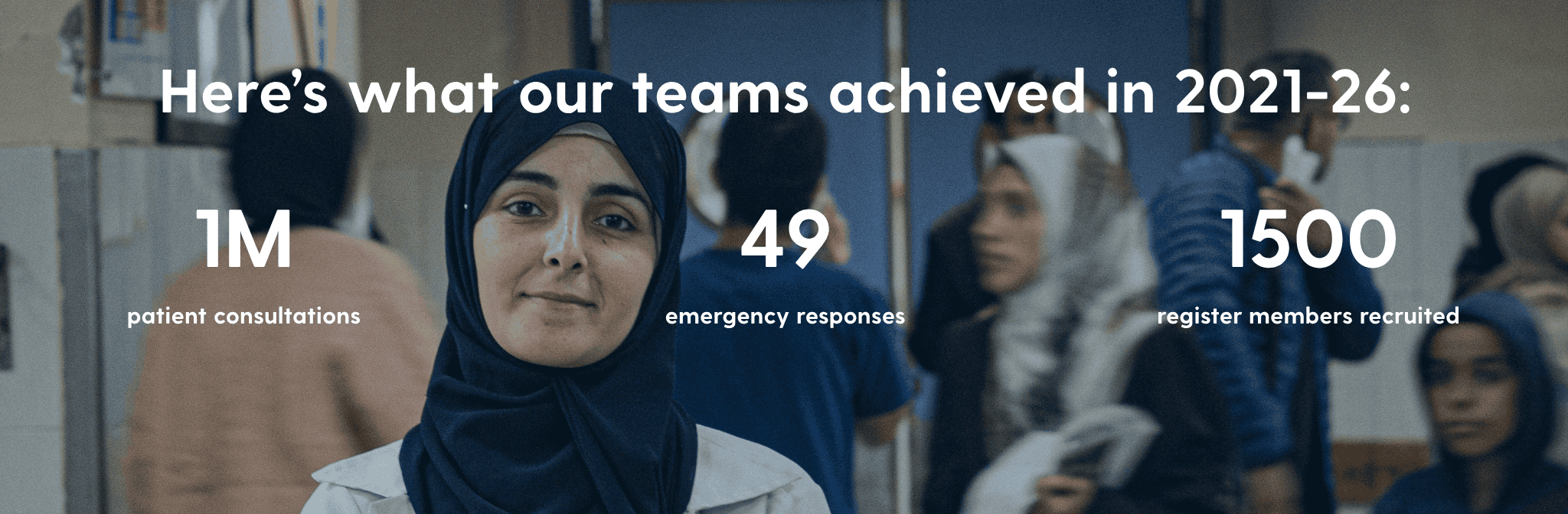
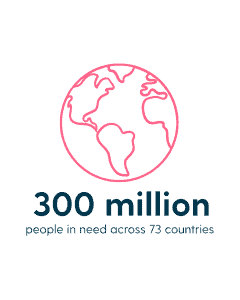
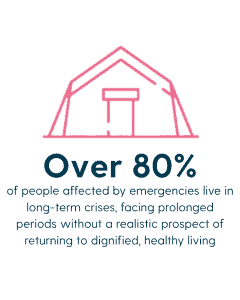
In 2026, 1 in 30 people will need emergency aid. The number has nearly doubled in five years, driven by disasters, disease outbreaks and conflicts. Around one in every five children in the world are living in or fleeing from conflict zones.
At the same time, the international norms and global institutions like the United Nations, meant to keep the world safe, are increasingly threatened.
The rules and conventions that govern war and the delivery of life-saving aid are frequently disregarded. Aid organisations are blocked from reaching people that need help through actions that would previously have caused international outcry, but now increasingly go unchallenged.
This makes life even more dangerous for people trapped in crises and makes delivering aid riskier.
Geopolitical tensions, strained international cooperation and shifting power blocks have destabilised the world order. As a result, many nations are re focusing on defence and civil protection. Hard lessons learned from responding to the worst emergencies around the world should be used to build resilience and ensure we are ready for emergencies at home.
In January 2025, the aid sector faced a major shock when the US cut around 44% of its spending on humanitarian crises, followed by large cuts from other donors such as the UK and other G7 countries. As a result, there will be significant funding shortfalls at the same needs are soaring
Conflict
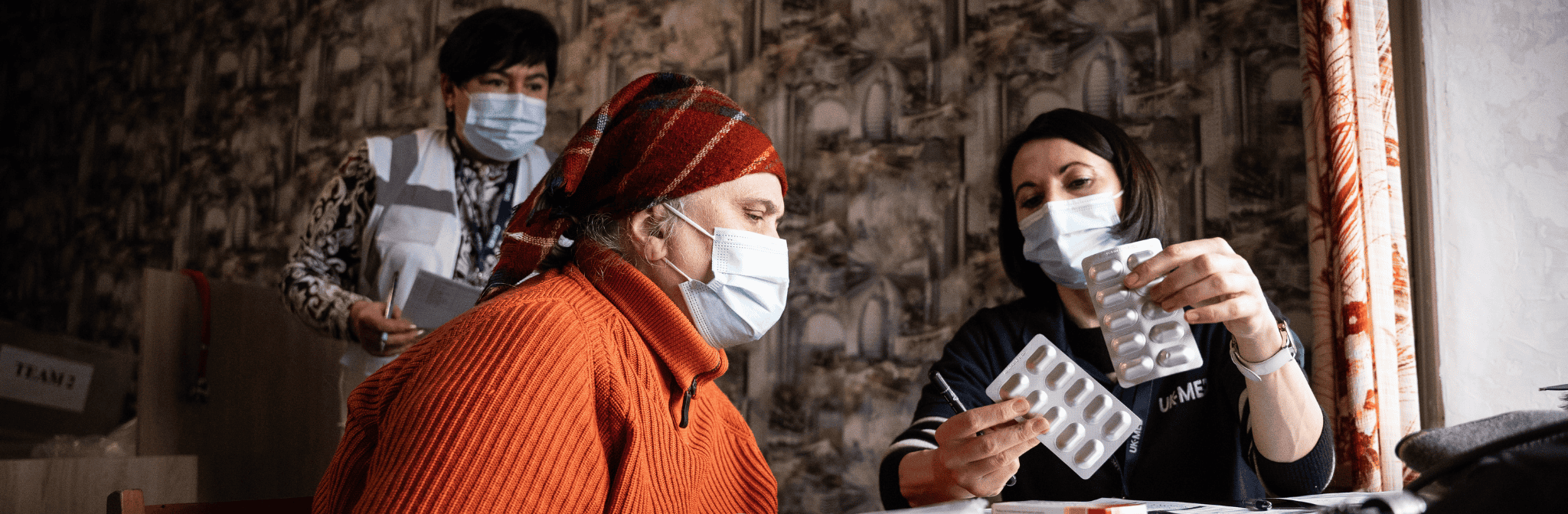
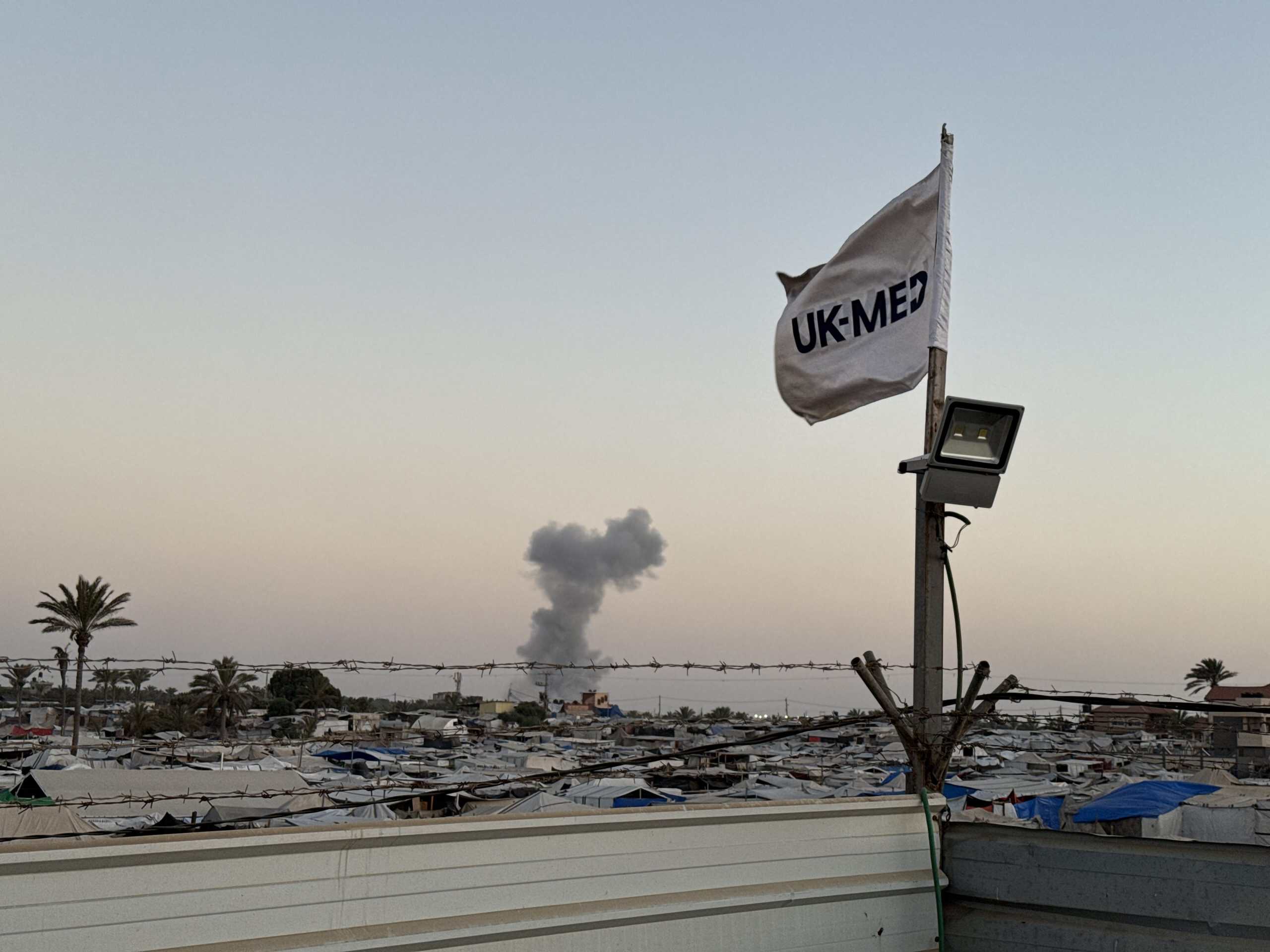
Conflict remains the largest driver of humanitarian need. Conflicts in Ukraine, Gaza and Sudan have left millions of people without the healthcare they need. Instability and forgotten wars continue, out of the headlines, in Myanmar, Democratic Republic of Congo, Chad, Central African Republic and Syria.
Disease outbreaks
An increasingly interconnected world means disease outbreaks can now spread faster and wider than ever before. The COVID-19 pandemic clearly showed that even the most well established health systems can become quickly overwhelmed by surging patient numbers. Outbreaks equally have a disastrous impact on families, societies, support systems and economies. Pandemic preparedness remains critical.
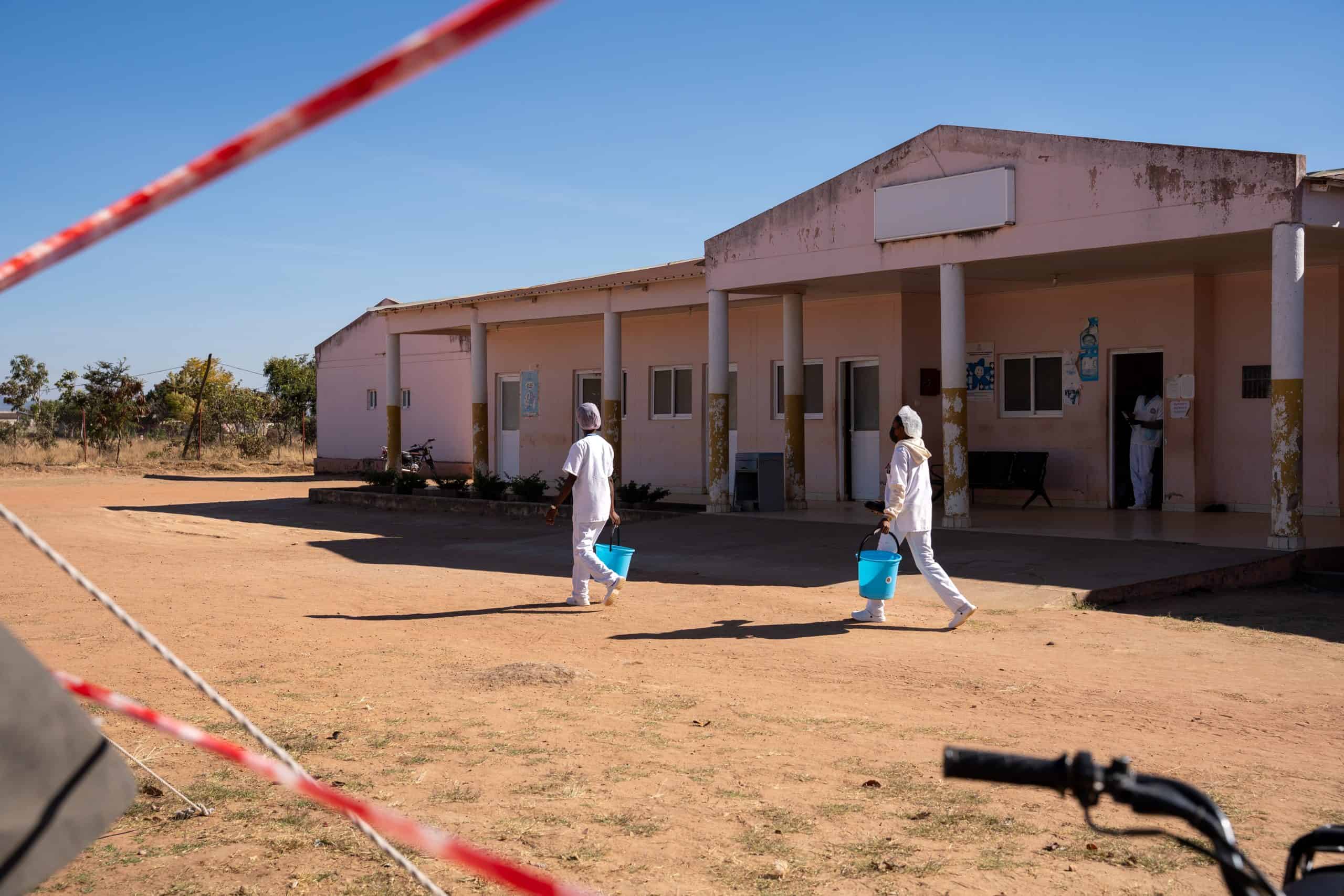
Climate change
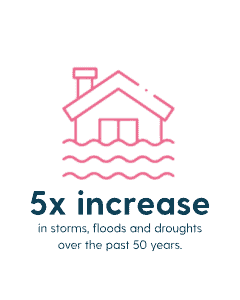
The number of storms, floods and droughts has increased fivefold over the past 50 years. The effects of climate change are being felt and, even if warming is limited to 1.5°C, extreme weather events will continue to hit harder, more frequently and for longer. Increasing numbers of people will be left without healthcare, shelter and food.

Our ambition in a changing world
In an increasingly dangerous and uncertain world, the most vulnerable people – children, older people, pregnant women, people with disabilities, people without the money or means to move – suffer most.
Humanity depends on the world not forgetting these people. Lives depend on the ability to respond consistently at speed and scale.
As the UK and Europe prepare for the prospect of wider conflict, the likelihood of more frequent and severe weather events, and larger numbers of displaced people we will work with partners close to home to build readiness and resilience. We will strengthen our engagement with the NHS, scope how we can support highly vulnerable people in the UK and collaborate with UK government departments.
To meet the challenges ahead we will need to build more partnerships, grow and diversify our income and inspire the UK public to help save lives in emergencies. To double our impact, we aim to double our income. However, we do not seek to grow exponentially, in order to maintain our quality and what sets us apart.
Over the next five years we will ensure at least 2 million of the most vulnerable people in the world’s most complex emergencies get the healthcare they need.


Prepare.
Respond.
Learn.
Everything we do is shaped by one continuous cycle: Prepare. Respond. Learn. Each element strengthens the others.
Readiness is the foundation that sustains this cycle. It is the constant state of capability – operational, people and learning – that allows our three priorities to function together. It is both the enabler of our impact and the outcome we aim to build in others.
The situation we’re facing threatens decades of progress alleviating poverty, improving healthcare and education, and progress towards the United Nations Sustainable Development Goals (SDGs).
Our way of working supports SDG Goal 3 – Ensure healthy lives and promote well being for all at all ages.
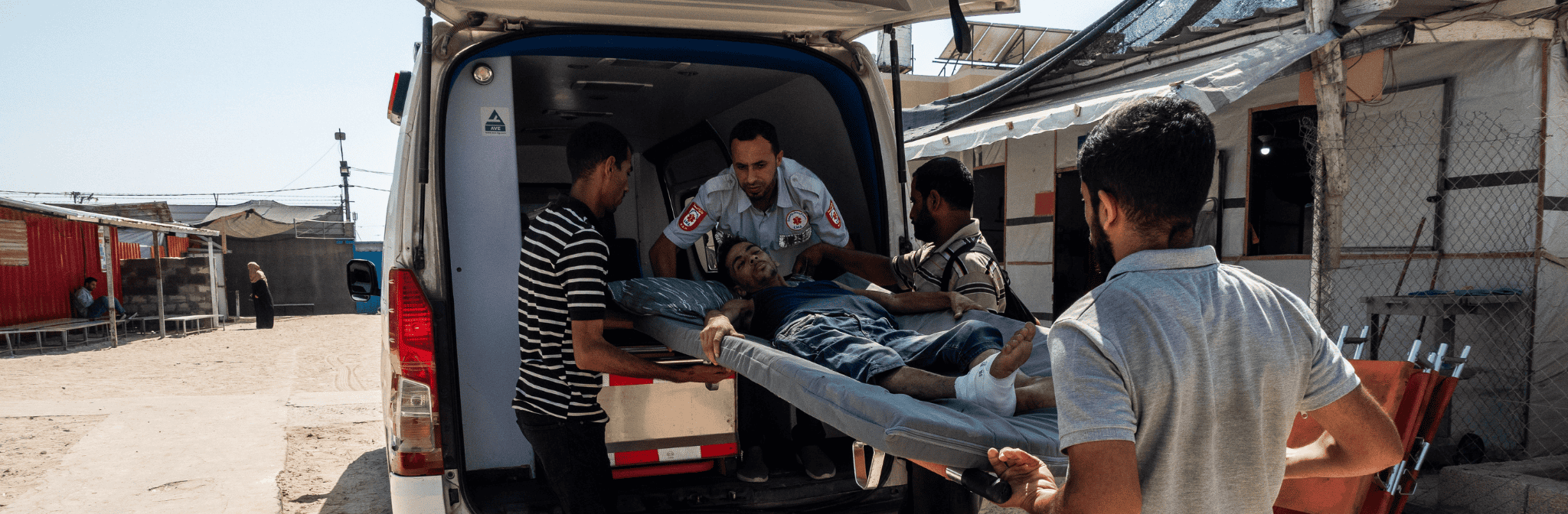
Prepare
The challenge
National health staff in countries hit by crises and disasters are the first to respond and can save the most lives, but more emphasis and investment in preparedness training and support is required.
Our response
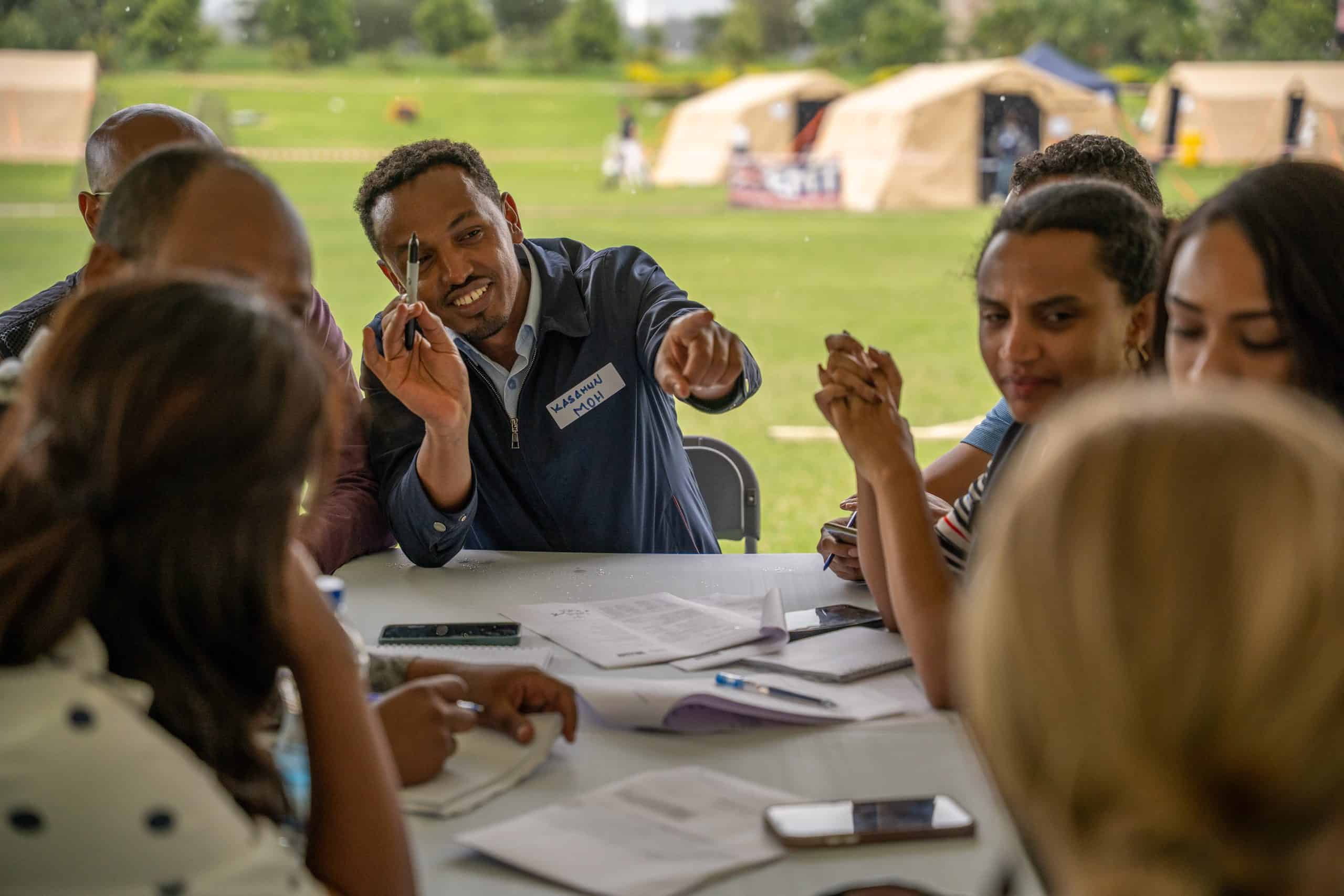
We will collaborate with health staff and global and national healthcare partners so they are better prepared to respond.
How we’ll do it:
We are equipped and ready to respond to any humanitarian emergency in a timely manner with the skills and knowledge required.
– Dr. Nahom Tadelle, EMT Leader, Ethiopian Public Health Institute
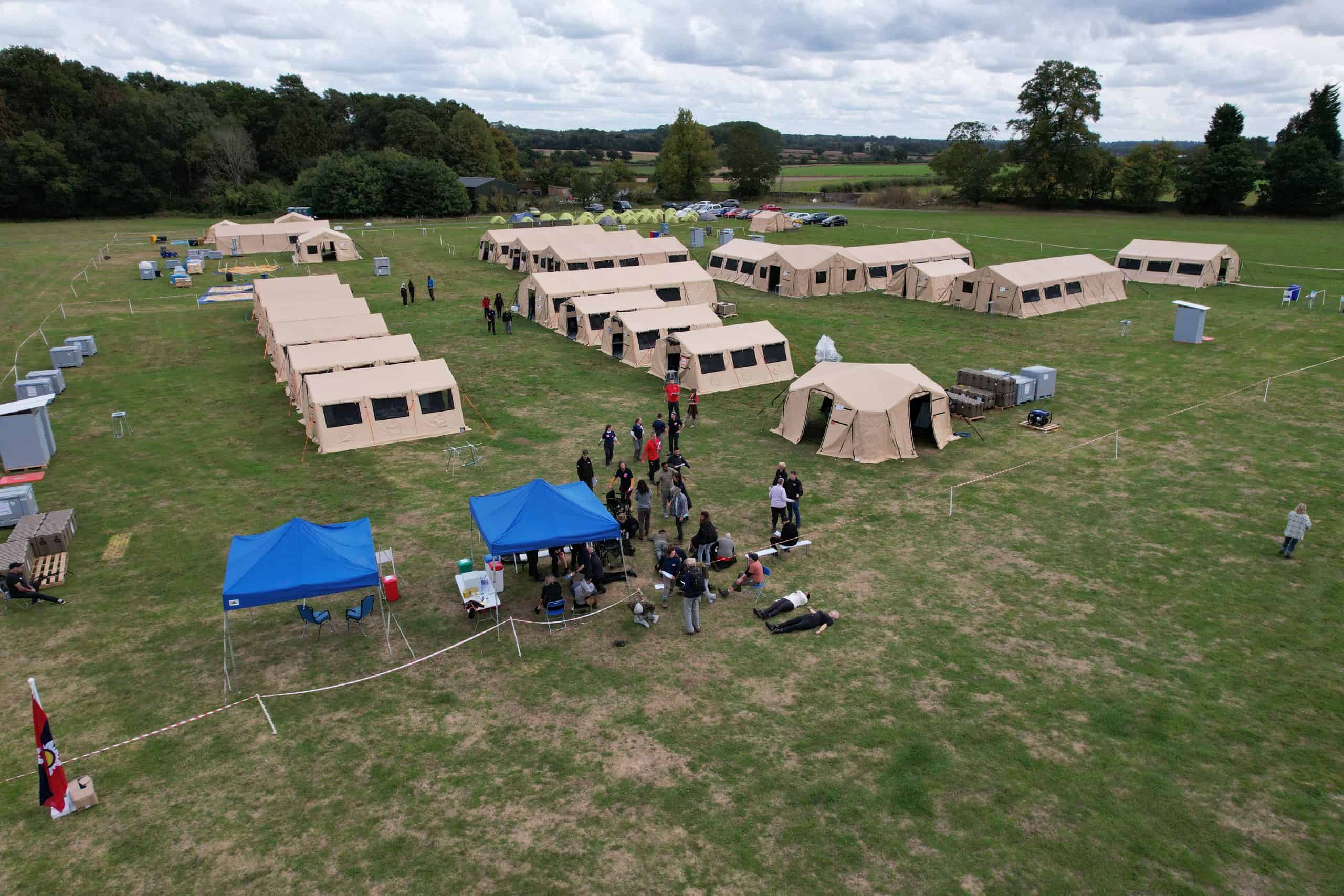
Respond
The challenge
There are very few organisations worldwide that can respond to a wide range of emergencies at the same time and provide the specialist health staff people need.
Our response
We will respond to the specific needs and requests of an overwhelmed health system, saving lives. We will focus on rapid deployment, coordinating with global and national health actors, and strengthening national healthcare capacity to make a sustainable impact.
How we’ll do it
UK-Med’s rapid response capabilities and high standards of care make them an invaluable partner in global health emergencies.
– Dr. Tedros Adhanom Ghebreyesus, Director General, World Health Organization
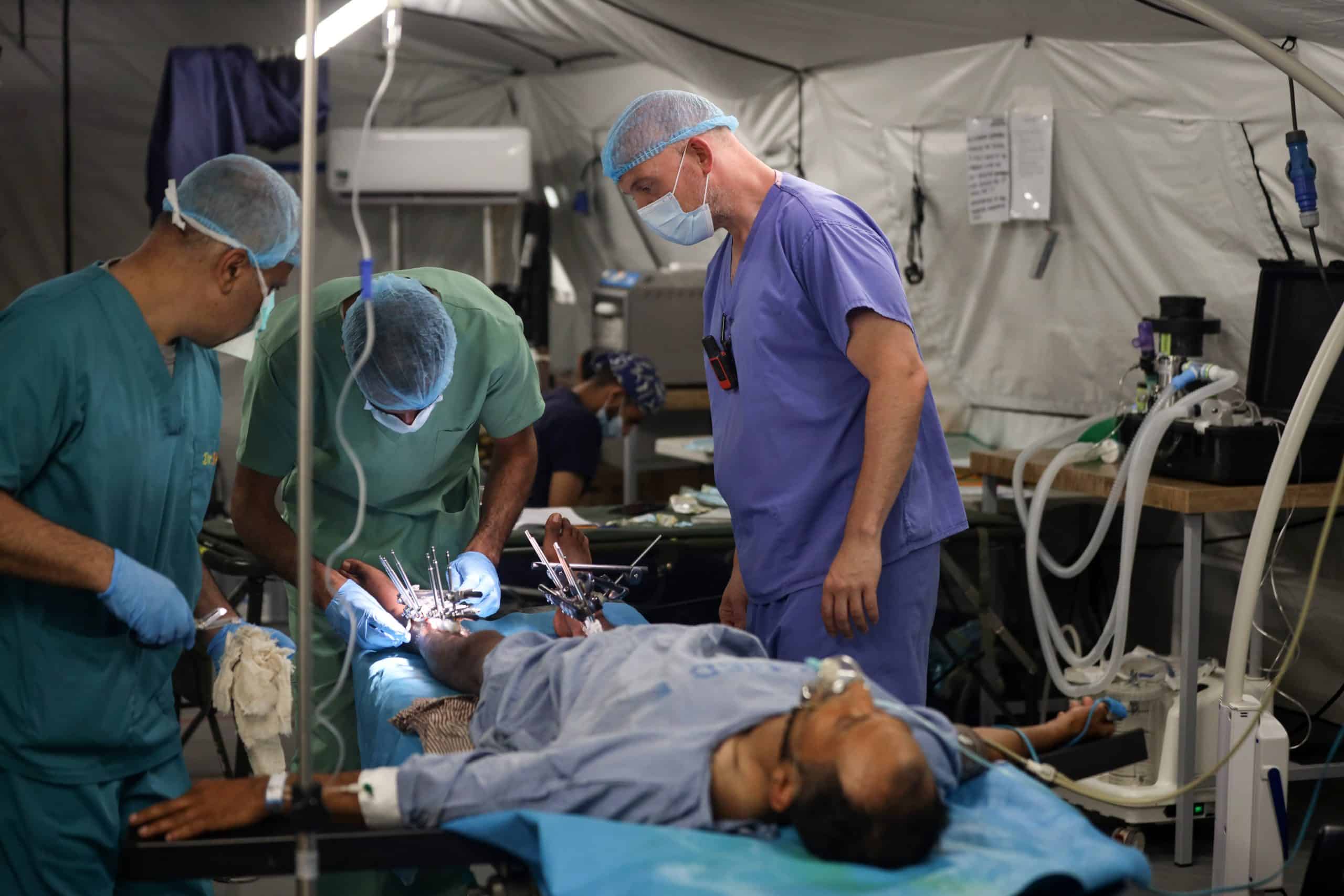
Learn
The challenge
The aid system needs to be better informed to meet the challenge of delivering aid to more people in more complex emergencies.
Our response
A continuous learning loop means every response improves the next – for us and for the wider humanitarian community – so people caught in crises get better care.
How we’ll do it
How we respond
EMT responses
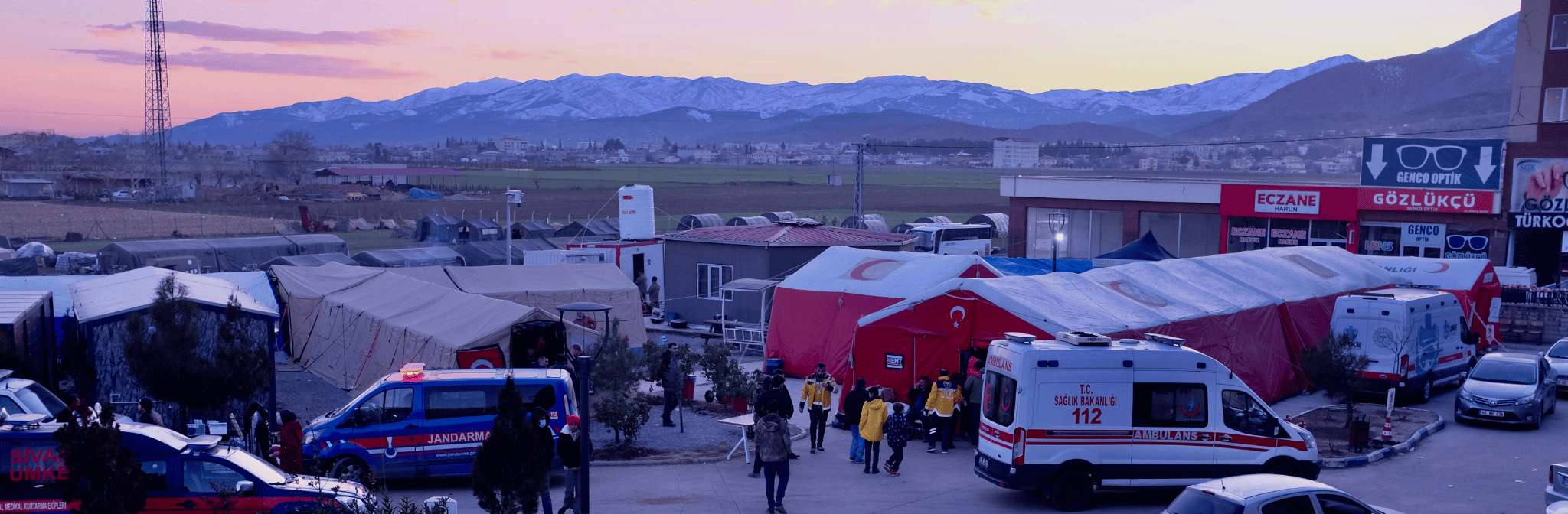
We intervene as an Emergency Medical Team (EMT) during healthcare emergencies, responding to requests for temporary support to overwhelmed health services.
Long-term programmes
In protracted humanitarian crises with significant gaps in health care we will work longer-term, either with a permanent in-country footprint or short, focused and repeat responses over time.
Remote support
We provide remote support through EMT partnerships and telehealth, enabling clinicians to access continuous specialist guidance via live mentoring, peer learning, and real-time technical support to ensure safe, evidence-based care in hard-to-reach settings.
Emergency preparedness
We provide capacity building and training for health staff and services. Where countries are vulnerable to health and humanitarian crises, we help strengthen emergency preparedness and develop national capacities.
The UK Emergency Medical Team (UK EMT)
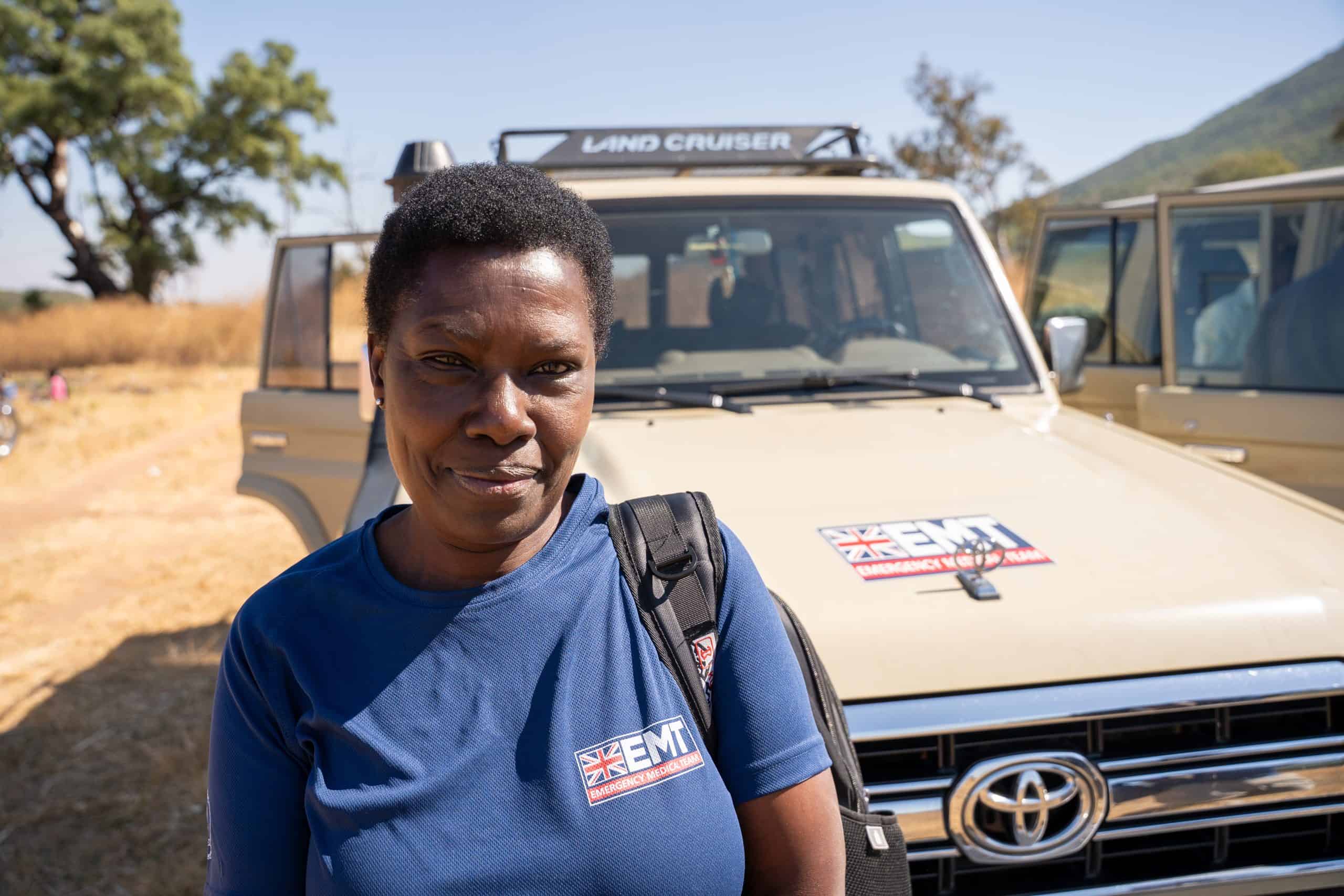
Alongside our work as an independent NGO, UK-Med is a proud delivery partner of the UK Emergency Medical Team, the UK government’s frontline humanitarian response overseas, funded by UK Aid from the British people through the Foreign, Commonwealth and Development Office (FCDO).
How you can help
We won’t give up until everyone gets the healthcare they need when emergencies hit. We know you won’t either.
You can help get expert health staff to where they’re needed.
Partner
If you share our values, let’s talk. By partnering up for the long term, we can ensure people get the help they need when they need it.
Donate
Help us act fast. Your one-off or regular gift will enable us respond rapidly to unpredictable emergencies and prepare for future shocks.
Join us
Use your skills for good, by joining our register of medics ready to respond, staff team or volunteers.
Together, we’ll leave no call for help unanswered.
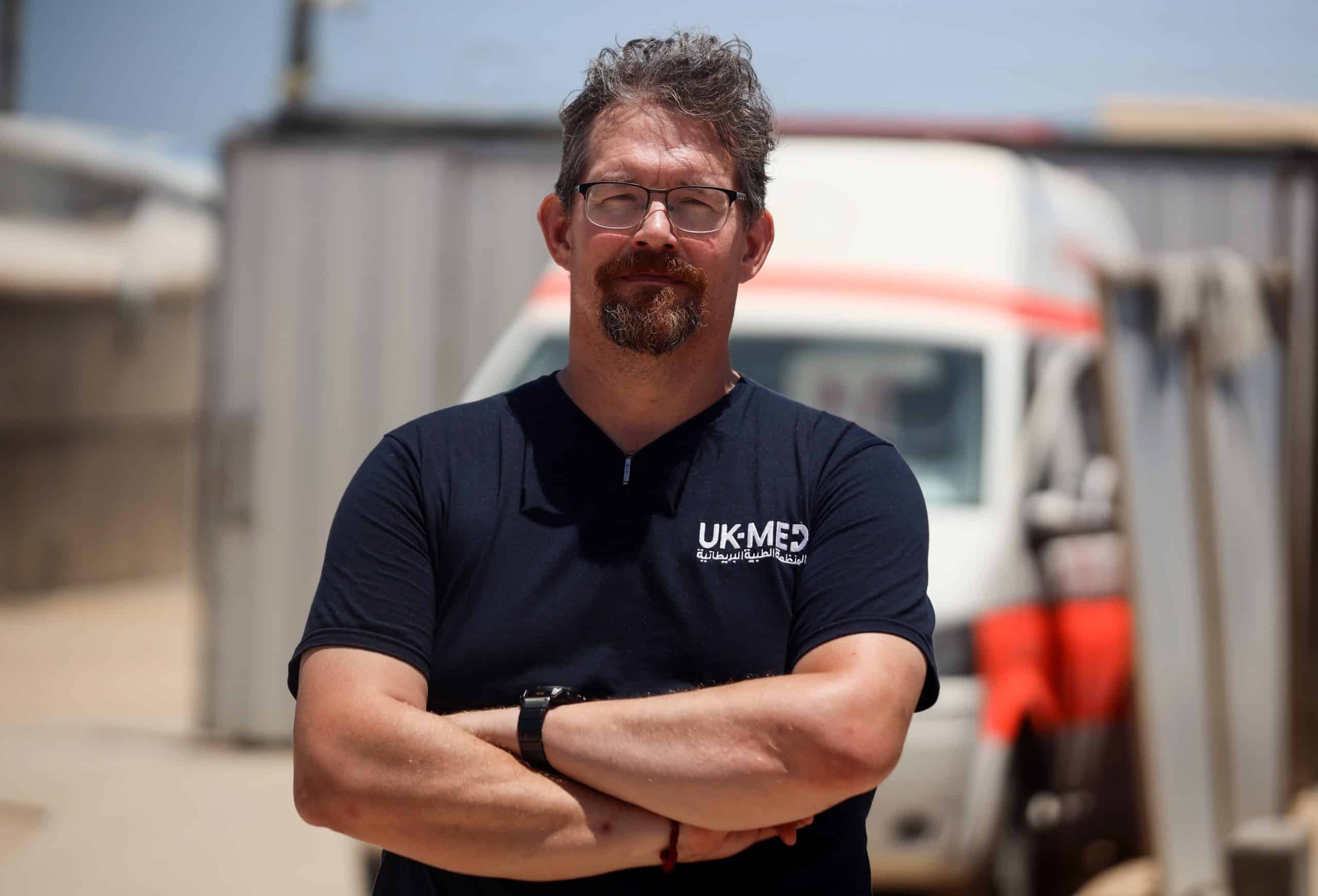
Your help is needed to get vital medical aid to those that need it most.
– Dr Iain Lennon, Emergency Medicine Consultant