
Ten British nationals, thousands of miles from home, needed to be brought back safely after potential exposure to hantavirus. Described as a “mammoth logistical effort”, travelling to two of the most remote inhabited islands in the world in one weekend is impressive. Travelling there to provide critical healthcare is extraordinary.
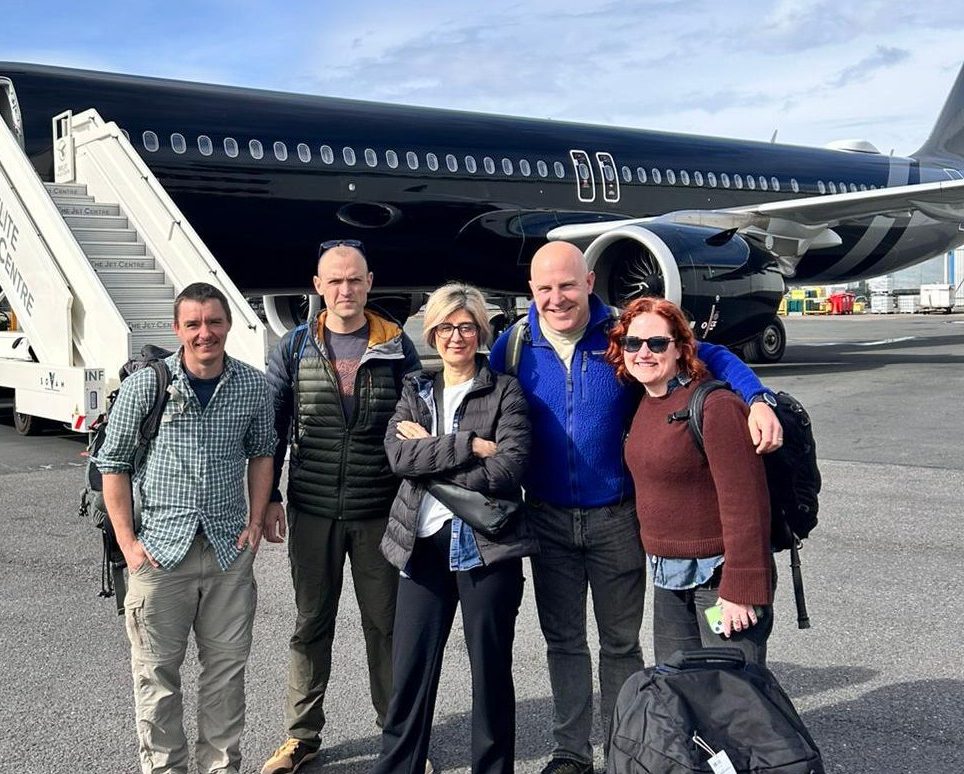
In May, the UK Emergency Medical Team (UK EMT) deployed to St Helena and Ascension Island after a confirmed hantavirus outbreak onboard the cruise ship MV Hondius. As the delivery partner of the UK EMT, UK-Med sent two expert medics alongside three public health specialists from the UK Health Security Agency (UKHSA) to support the evacuation of ten British citizens from the islands.
The group were identified as potential contacts linked to the outbreak. Although they were asymptomatic and tested negative before travel, they still needed to be isolated, monitored and safely returned to the UK for further observation.
Health needs can change quickly; safe evacuation required not only logistical coordination, but planning to prevent further risk and ensure specialist care was within reach if needed.
Responding to the call
Although hantavirus infections are uncommon, they can become very serious, leading to respiratory failure or other severe complications if not treated promptly. That shaped every decision the team made.
On islands with limited specialist infectious disease capacity, a fast, well-coordinated response was essential to manage risk safely from departure to handover.
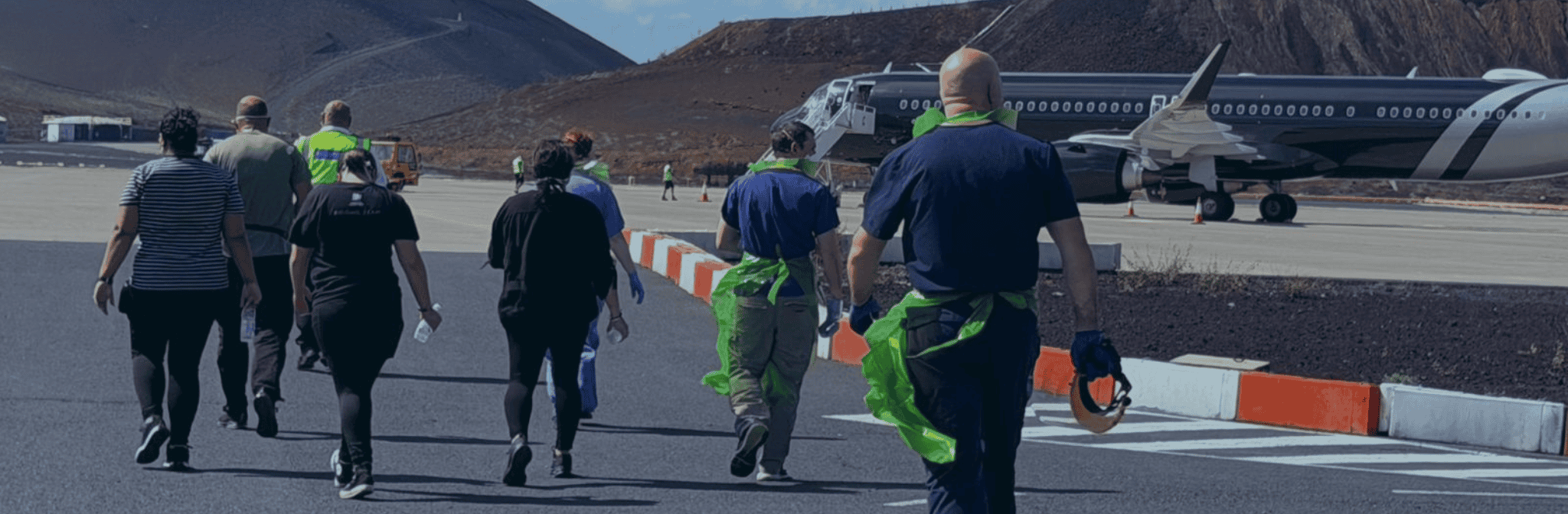
Getting there was no small feat. Reaching St Helena and Ascension Island, two of the most remote inhabited islands in the world, in one weekend required a meticulously planned journey. Infection prevention, isolation and contingency plans all had to work seamlessly.
They chose to support his rehabilitation journey within the hospital itself as an inpatient – with multiple healthcare providers working together alongside him and his father to restore his health and function.
UK-Med helped put that plan into action, supporting UKHSA isolation, monitoring and infection prevention protocols throughout the evacuation. From PPE measures to close coordination with operational and public health partners, the team helped ensure the transfer was safe and controlled.
Ready for anything
At UK-Med, we are always prepared. Moving quickly, bringing together the right expertise and staying ready in case situations change. The team travelled with medical kits to provide primary care if needed. That ability to prepare for the worst while delivering calm, expert care is what makes our teams so valuable.
NHS anaesthesiologist, Dr. Matt Newport, was one of the UK-Med medics deployed, mobilising within 24 hours to reach the islands. Having worked with UK-Med in Gaza on multiple occasions, he knows the pace and flexibility emergency responses demand:
“It is testament to the UK Emergency Medical Team, that is able to draw so quickly and deftly across different expertise.”
UK-Med’s mission
This response captures the heart of UK-Med’s mission: getting expert health staff to where they are needed, fast. In this case, it meant reaching people far from home, helping them return safely, and making sure expert care was never out of reach.
Working with the global emergency health network, UK-Med is there when emergencies hit, bringing skilled people, trusted systems and life-saving reassurance to those who need it most, no matter where they are in the world.