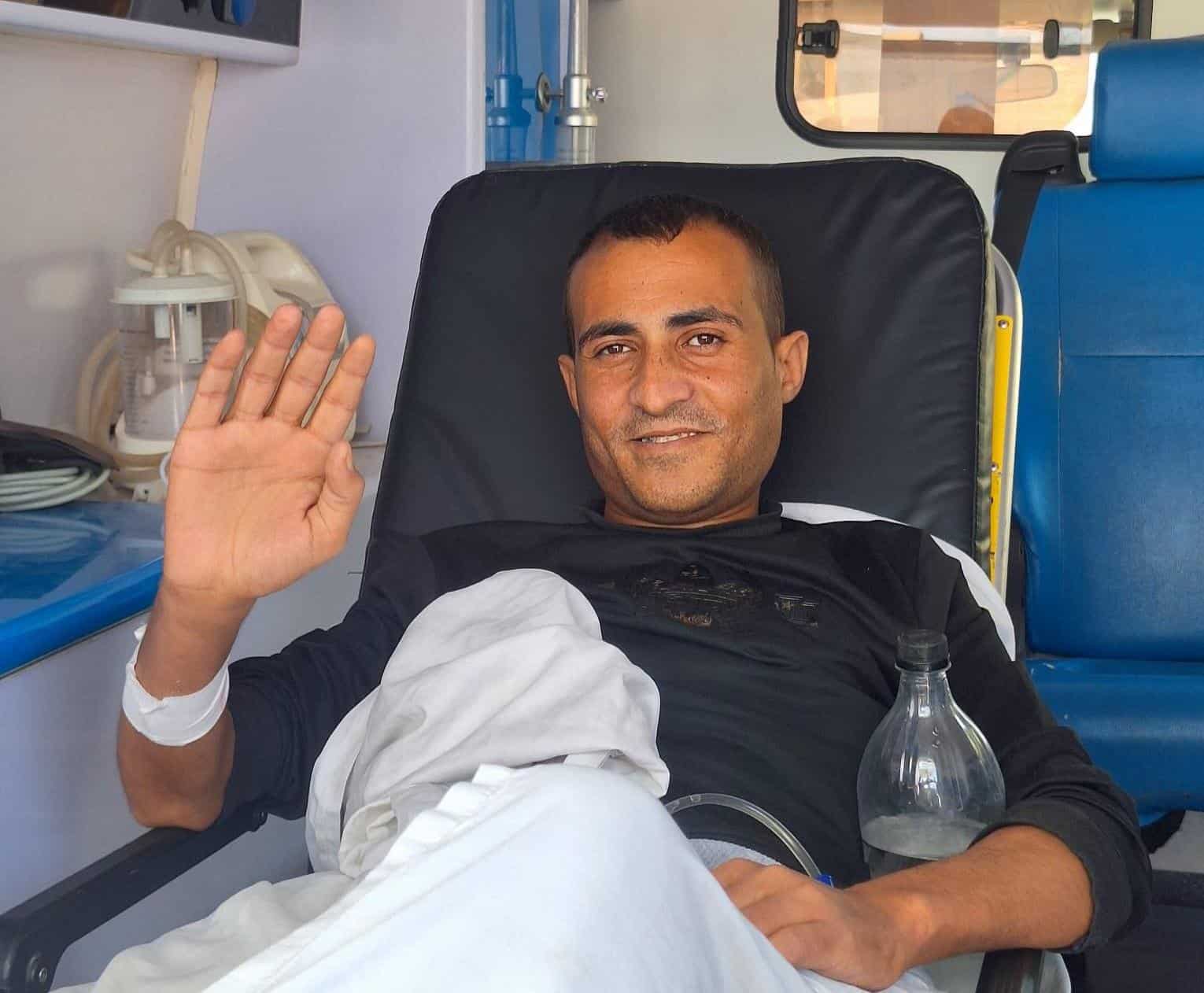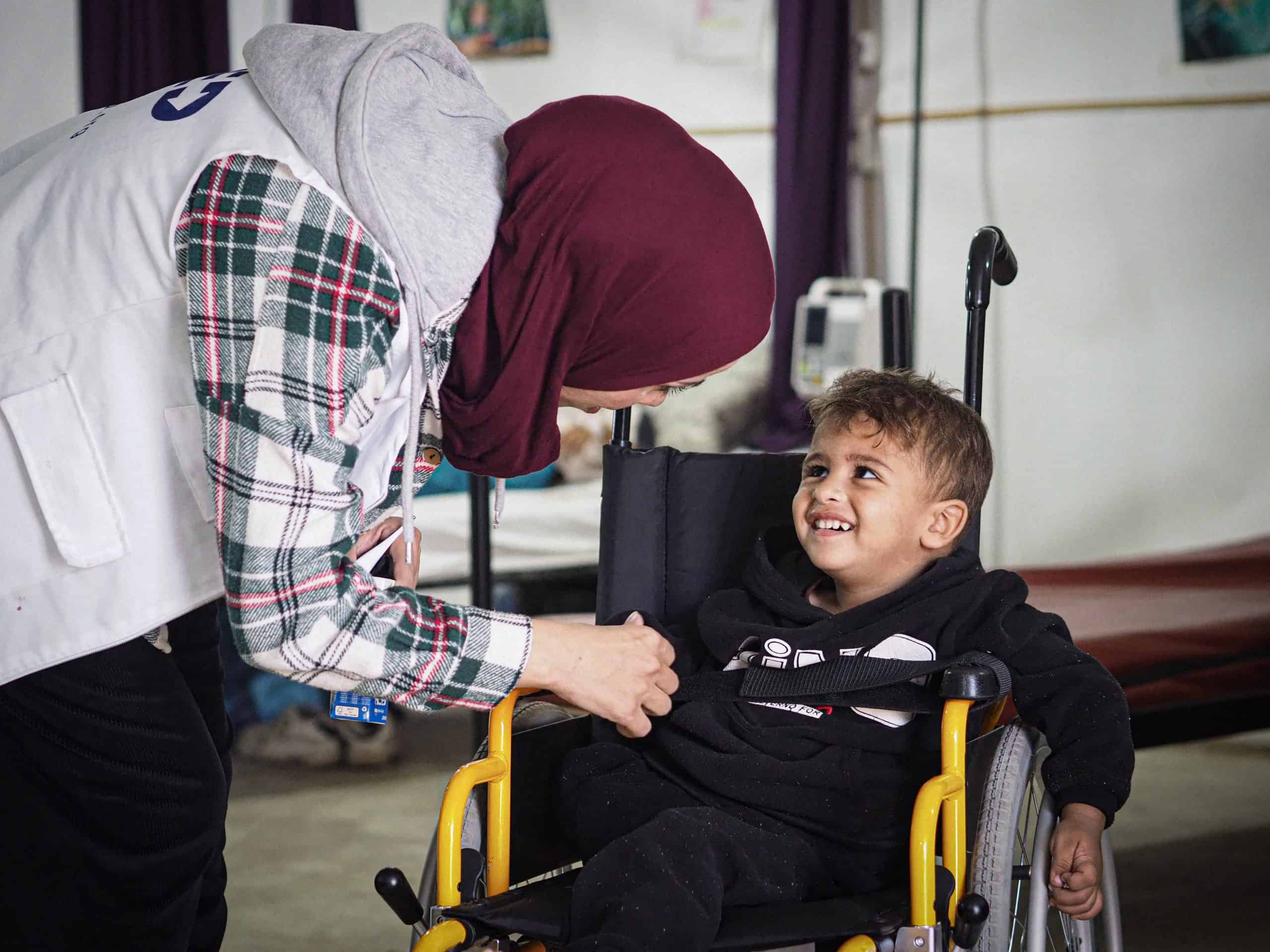


In emergency settings, rehabilitation includes functional training, therapeutic exercise, positioning, patient and caregiver education, basic psychosocial support, and referrals that promote comprehensive, continuous care. These targeted interventions give people the best possible chance of recovery.
Saving lives is only the beginning. Rehabilitation helps people survive, recover, and return to daily life — not just to live, but to live well.
True recovery means regaining independence, dignity, and the ability to participate fully in family and community life. This is where UK-Med’s rehabilitation programming plays a vital role.
What does this include?
Rehabilitation isn’t something that happens after treatment — it is part of the treatment. From the very start, it is an essential element of lifesaving care.
At UK-Med, we focus on delivering early rehabilitation, beginning as soon as possible. This approach prioritises:
- Optimising function
- Preventing complications
- Supporting people to regain movement, independence, and the ability to carry out daily activities from the earliest stages of care
In emergency contexts, rehabilitation supports:
- People with injuries, including fractures, crush injuries, spinal cord injuries, burns, amputations, and complex wounds
- People undergoing or recovering from surgery
- People with respiratory weakness following severe illness
- People recovering from the consequences of infectious diseases, such as Mpox
- People with long-term conditions disrupted by disaster, such as stroke, arthritis, chronic pain, or neurological conditions
Disasters often affect those who already face barriers to care. Early rehabilitation helps ensure that people with disabilities, older adults, children, and those with chronic conditions are not left behind — supporting recovery, preventing complications, and enabling participation in family and community life.
How do we provide rehabilitation?
During our response to resurgent conflict in Goma, Democratic Republic of Congo, in April 2025, we partnered with a local rehabilitation centre to produce crutches from used tyres. By working together, we ensured that people injured by conflict had every possible opportunity to regain independence.
Quality rehabilitation relies on having the right equipment available to help people function as independently as possible, despite injury or illness. Something as simple as a walking aid can mean the difference between surviving and returning to the activities that bring meaning to life.
That’s why UK-Med maintains 85 types of rehabilitation equipment, ready to deploy anywhere in the world.
We prioritise assistive products — such as crutches, splints, and wheelchairs — that maximise function and minimise complications. These may be supplied from our warehouse in Manchester or sourced locally, depending on the context.
From rehabilitation beds and exercise equipment to braces, mobility aids, and self-care tools, every item is selected for effectiveness and reliability in emergency settings.

How do we work with local communities?
When UK-Med responds to emergencies, we recognise the essential role that local communities, families, and healthcare workers play in effective rehabilitation.
Recovery often continues long after a patient leaves hospital, with individuals relying on their families and communities once the acute phase of care has passed. Our approach focuses on skills exchange — supporting physical, emotional, and social wellbeing while strengthening the short- and long-term impact of rehabilitation services within the community.

For patients requiring long-term rehabilitation, we work to ensure that appropriate support systems are in place before we leave, linking people with local services and community networks to continue their recovery.
This exchange also strengthens our own practice. UK-Med is continually learning from national healthcare staff, refining how rehabilitation is delivered across different cultures and contexts. These partnerships help build stronger, more effective emergency responses for the future.
We don’t arrive to replace local healthcare workers — we come to work alongside them. By supporting existing services and strengthening local systems, we help leave behind skills, confidence, and capacity that endure long after the emergency response ends.

Why does rehabilitation matter in emergencies?
Early rehabilitation can prevent serious complications during recovery, including pressure sores, chest infections, joint stiffness, muscle wasting, chronic pain, and pain-related disability. This support helps people to:
- Sit up, stand, and walk again
- Wash, dress, and feed themselves
- Care for children or other family members
- Return to school or work
- Avoid long-term dependence on others
Without rehabilitation, people can develop life-threatening complications and lose mobility, independence, and livelihoods — even when their life has been saved.
At UK-Med, we’re changing that.