

Ukrainians have been living through conflict for more than four years, with no sign of attacks easing. March saw the most intense wave of drone strikes since the war began, highlighting the continued escalation of violence across the country while the world looks away.
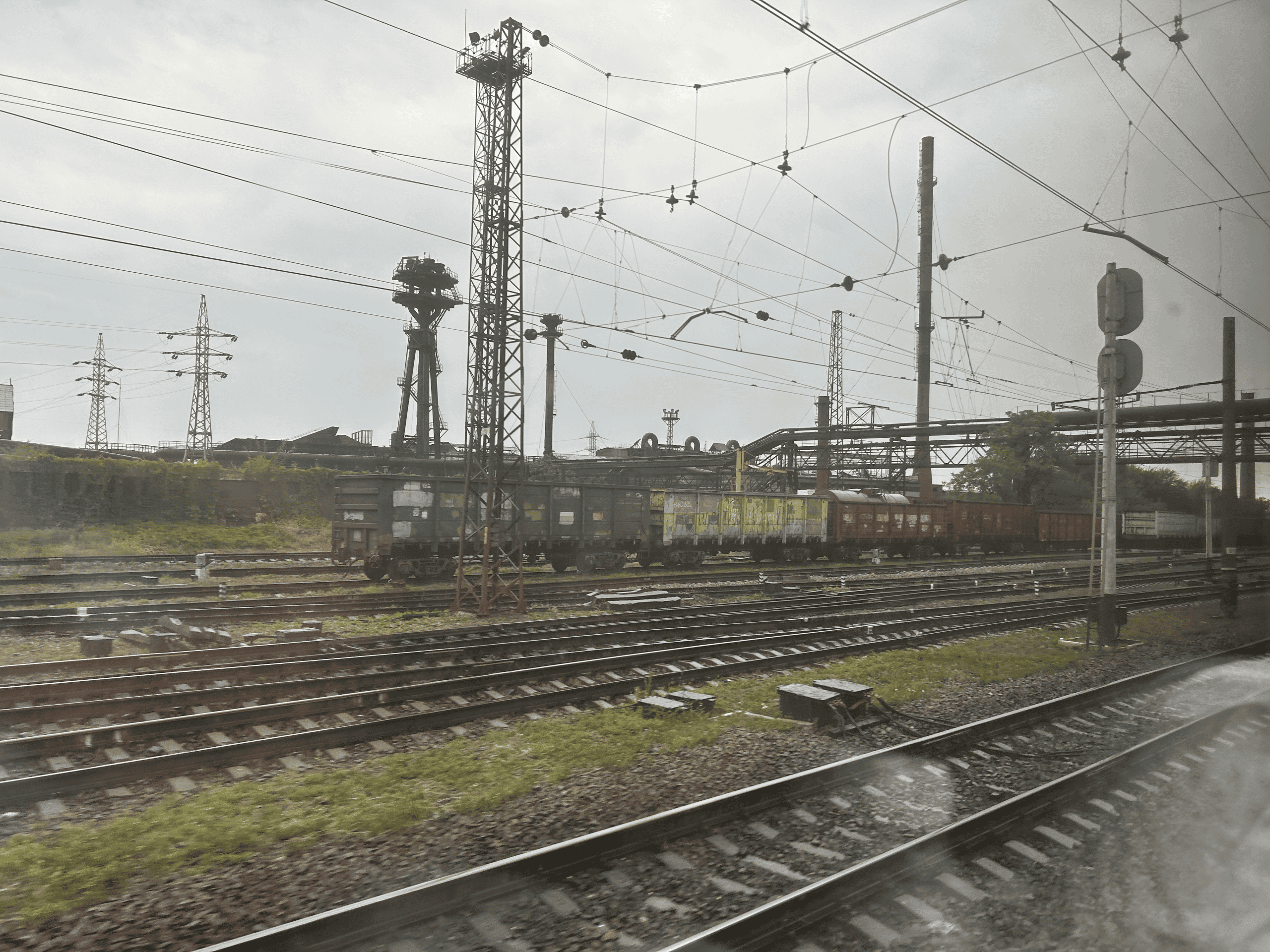
As critical infrastructure is increasingly targeted, railway networks – a vital lifeline for civilians – are coming under growing threat. In 2026 alone, more than 600 attacks on railway infrastructure have been recorded, including strikes that damaged over 40 passenger carriages. Since the beginning of the year, 39 railway workers have been killed while on duty.
Due to Ukraine’s vast size, trains remain one of the most common and accessible forms of transport. For many people, there are few alternatives. As attacks intensify, civilians are often forced to choose between remaining in dangerous locations or risking travel in search of safety.
New evacuation protocols
In response, railway safety protocols were developed, with emergency evacuations now becoming the new normal for passengers.
When an air raid alarm sounds, trains come to a complete stop. Passengers are instructed to leave what little items they are carrying on the train and vacate the carriages.
They must take cover and seek shelter at a safe distance from the train in case of a strike.
Air raid alerts can last for hours before it is safe to return — happening at any moment in a remote field or with little shelter around. Passengers face an impossible decision; stay on the train inside a potential target or be exposed outside.
Preparing for uncertainty
Before travelling, people are advised to pack warm clothing and food in case they are stuck for extended periods. Although the weather is getting warmer, winter conditions plummeted to minus 20°C — turning an already stressful situation into one that could quickly become life-threatening.
Parents are also encouraged to warn their children by discussing the risks and making a plan of action with their young ones, all while trying to minimise additional fear. Even the youngest passengers are now being prepared for the worst.

Firsthand experience
Artem Lysenko, UK-Med Ukraine Communications Officer, recalls his experience whilst travelling before the new protocols were introduced:
“I woke up in the middle of the night because of the sound of explosions. It turned out that the train had stopped when it came under attack. The explosions didn’t stop; the sky was literally ablaze with flashes, and the train wagons were rocking from the shockwaves.
It was really quite scary because I felt helpless (…) you were just sitting in a metal box, hoping for the best”.
For many who have already fled their homes, carrying only what they could, people are facing these same terrible descions again when having to evacuate the train – what to take and what to leave behind.
Railway workers face particularly high risks. To support them, UK-Med has delivered specialist training for the railway employees, so that they too can be prepared should the worst happen.
Training focusses on how to stabilise injures, practicing using tourniquets and alternatives to control bleeding and restore breathing. Learning how to save their lives long enough for medics to arrive.
Anastasia Nazaruk, UK-Med Ukraine Training Manager, explains why these skills often make the difference between life or death:
“Such knowledge and skills are critically important. It is often the quality of first aid that decides the fate of an injured person”.
UK-Med remains committed to supporting people across Ukraine. After over four years of full-scale war, humanitarian needs are immense, and thousands are still struggling every day.
Stay with Ukraine.