

Living with a long-term health condition does not stop when you are forced to leave your home. For Khadra, Sarah and Yousef, displacement in Gaza has meant managing their health while living in a tent.
This World Diabetes Day, we are sharing their stories to highlight the continued support people need to manage chronic conditions.
At UK-Med’s field hospital in Deir al-Balah, our teams provide wound care, medication and regular health checks. From helping Khadra’s diabetic foot wound heal to supporting Sarah and Yousef with daily monitoring, their care extends beyond a single consultation.
Two Years of Care and Support: Khadra’s Journey
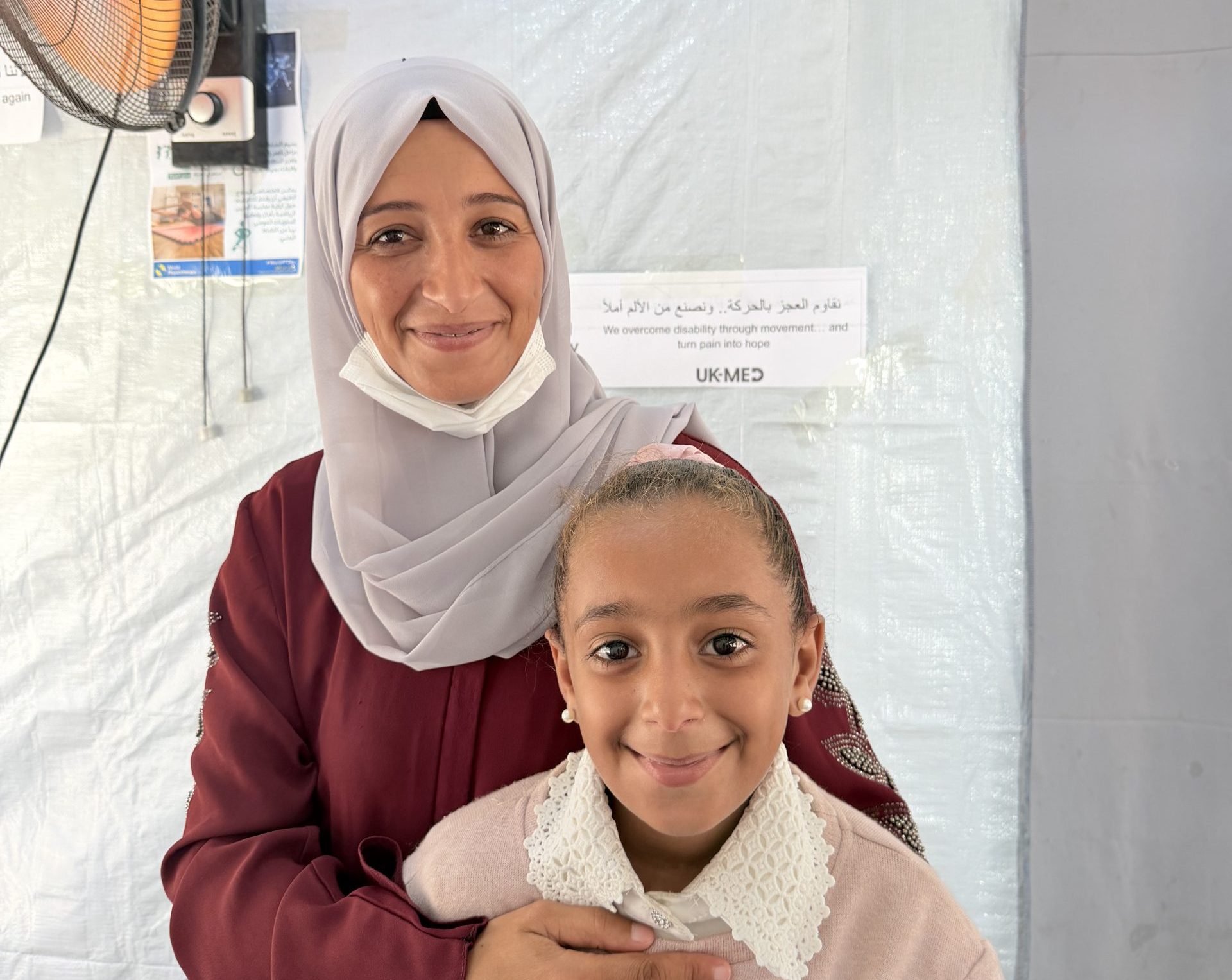
Khadra, 67, is originally from Al-Maghazi and is currently displaced in Al-Zawaida, where she lives in a tent.
Wafaa initially received care through ICRC before being referred to UK-Med for physiotherapy and follow-up care. She became one of the early patients to receive rehabilitation services at the hospital and initially attended physiotherapy three times a week.
Khadra has been receiving care at UK-Med’s field hospital for a diabetic foot wound. She was among the first patients to attend the facility and has continued receiving wound care and dressing changes since then.
Her health challenges began early in the war, when she was injured in a bombing incident that affected her leg. Initially, the injury appeared minor, but over time, her foot began to turn blue, and the toe next to her big toe gradually lost movement. Her condition worsened, eventually requiring an amputation in April 2025.
Khadra also lives with several health conditions, including diabetes, chronic hypertension, and colon cancer. During one of her chemotherapy sessions, she accidentally hit her foot against a car door, causing the wound to reopen and become infected.
When UK-Med’s field hospital in Deir al-Balah opened, Khadra came for treatment and began receiving daily wound dressing changes. After explaining her circumstances to the team, she was also provided with a wheelchair, which she could take home and return with the help of one of her sons.
Throughout her treatment, Khadra says the healthcare team treated her with great kindness and care, making her feel like a member of their own family. They constantly reassured her, encouraged her, and helped her feel safe during a difficult time.
The infection sometimes returned following her chemotherapy sessions, but the team continued monitoring and treating her wound. After nearly two years of follow-up and wound care, the wound has now healed.
Today, Khadra is grateful for the continued care and compassion she received from the UK-Med team.
Sarah’s Journey to Managing High Blood Pressure
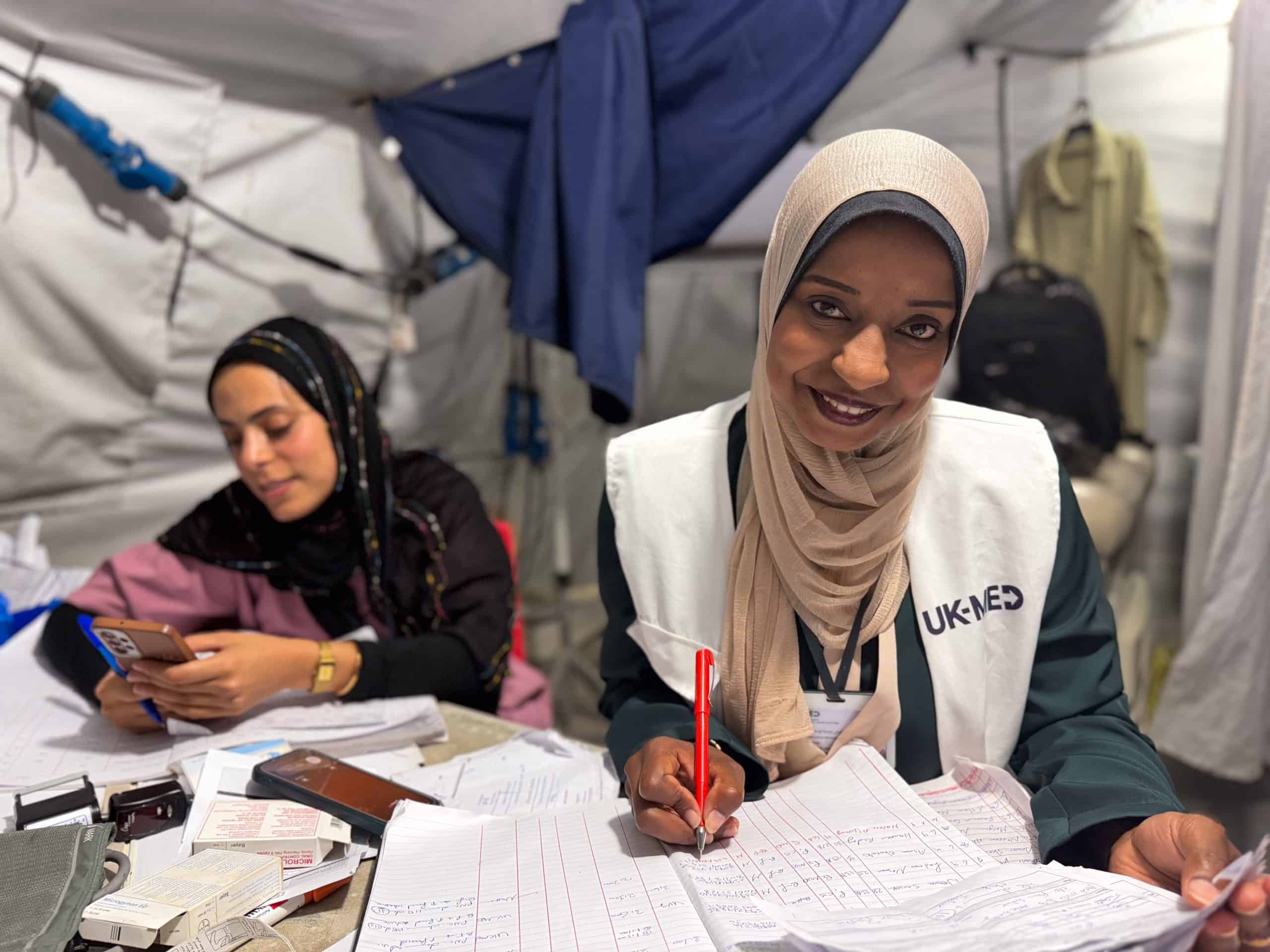
Sarah, 43, is originally from Jabalia and is currently displaced in Al-Zawaida, where she lives in a tent with her mother.
On 10 October, Sarah visited UK-Med’s clinic because she was experiencing flu-like symptoms. During her visit, the medical team checked her blood pressure and discovered that it was extremely high, measuring 220/140 mmHg. This led to the discovery that Sarah had high blood pressure and needed regular monitoring and medication to manage her condition.
Since then, Sarah has been attending the clinic daily to have her blood pressure checked and receives her medication every two weeks. The healthcare team continues to monitor her condition and support her in managing her blood pressure.
Today, Sarah’s blood pressure readings are within the normal range, and she continues to take her medication and attend regular follow-up appointments.
Through early detection, consistent monitoring, and ongoing medical support, UK-Med has helped Sarah manage her condition despite the challenges of displacement and living through uncertainty.
Yousef’s Journey to Better Health
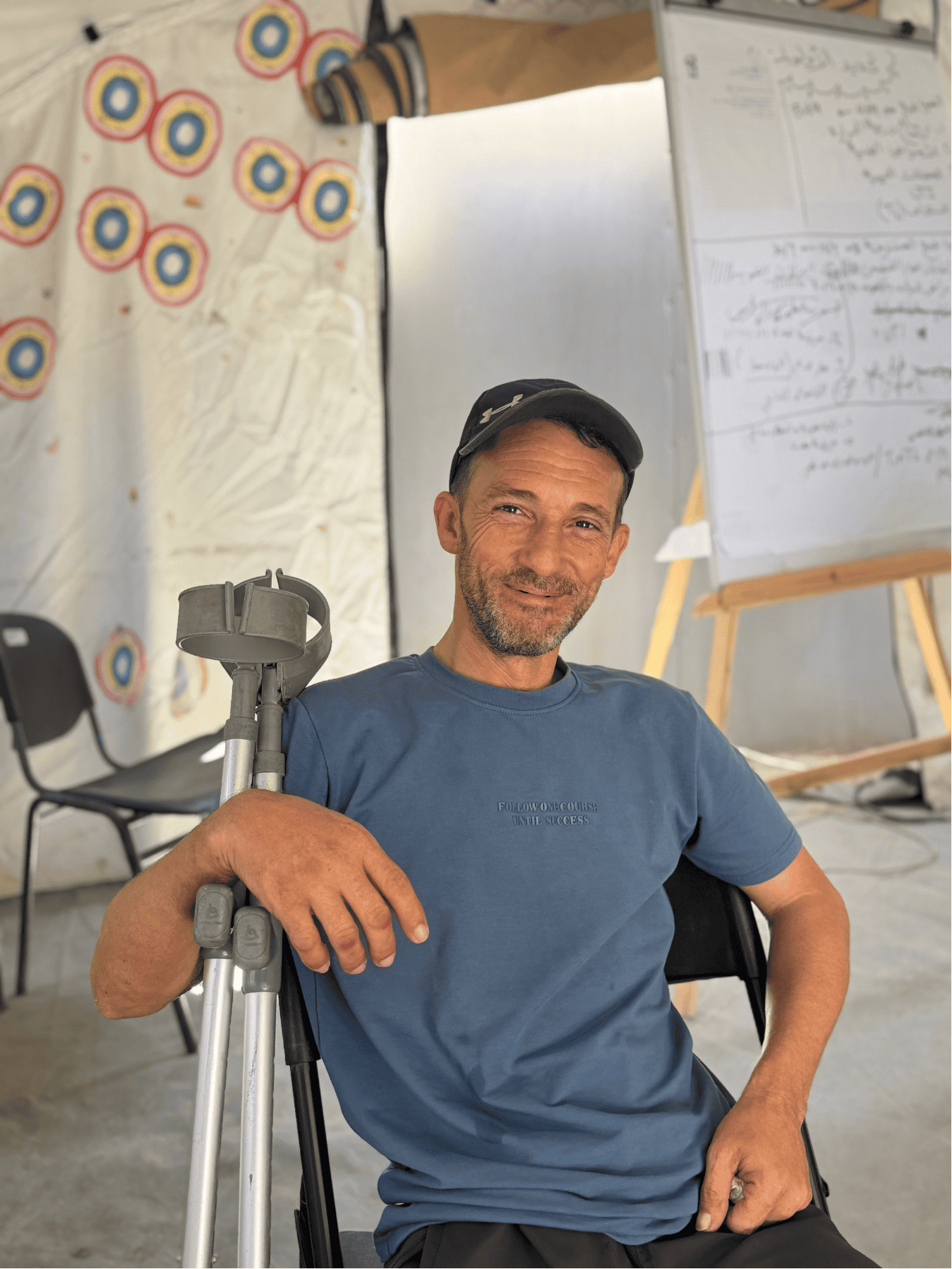
Yousef, 28, is originally from Beit Lahia. He was displaced to Al-Zawaida with his wife and four children, where they have been living in a tent. Since leaving their home, the family has not been able to return to their home in northern Gaza.
One day, Yousef began experiencing excessive thirst, and drinking much more water than usual. Concerned about these symptoms, he visited UK-Med’s field hospital a to seek medical advice.
Following his assessment, the medical team prescribed medication and advised to attend regular follow-up appointments to monitor his condition.
As Yousef does not have a blood glucose monitor in his tent, the clinic team supported him by allowing him to visit daily for blood sugar checks. He received medication, regular monitoring, and continued support from the healthcare staff.

With treatment and consistent follow-up, Yousef’s blood sugar levels became more stable, and his condition improved.
Yousef is grateful for the care and cooperation he received from the UK-Med team, which helped him manage his condition despite the difficult circumstances of displacement.
Care beyond the first consultation
This World Diabetes Day, these stories remind us that emergency healthcare is also about helping people manage the conditions they live with every day. Through medication, regular monitoring and compassionate support, UK-Med’s teams are helping patients in Gaza care for their health amid the uncertainty of displacement.
Stay with Gaza.