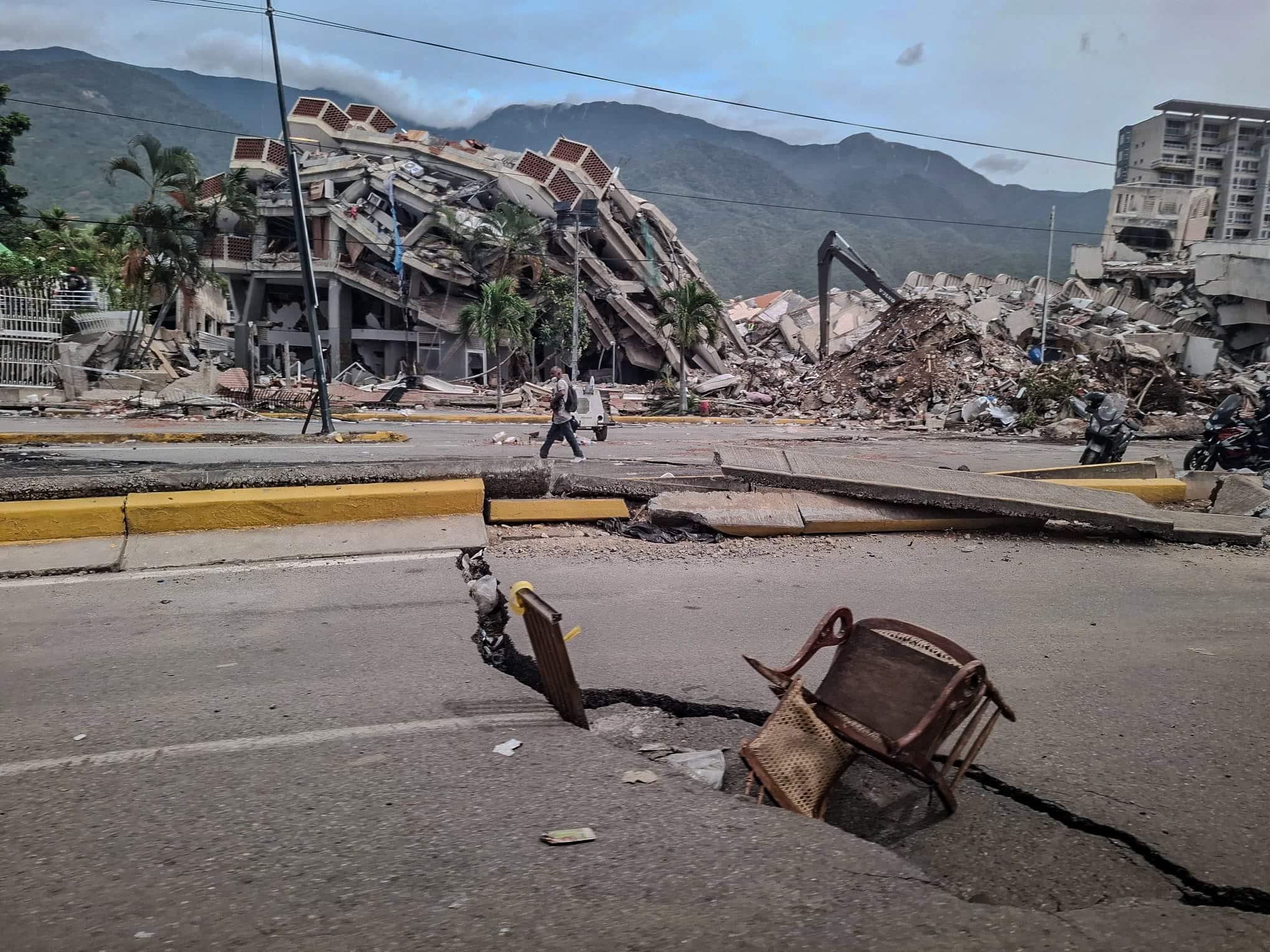


When 70-year-old Luis stepped outside her home in La Guaira for the first time since the earthquakes struck, the destruction around her was overwhelming.
Luis’ story
For weeks after the earthquakes, Luis stayed inside, afraid to leave the place where she felt safest. The earthquakes had not only damaged homes and health services, but they also shook people’s sense of security.
When she did venture outside, she went into a state of acute distress and panic.
Her two sons are local firefighters, working tirelessly to rescue and recover those trapped in the rubble. But Luis was also trapped with fear, the distress of the earthquakes had caused her to retreat. Living alone, she became increasingly isolated.
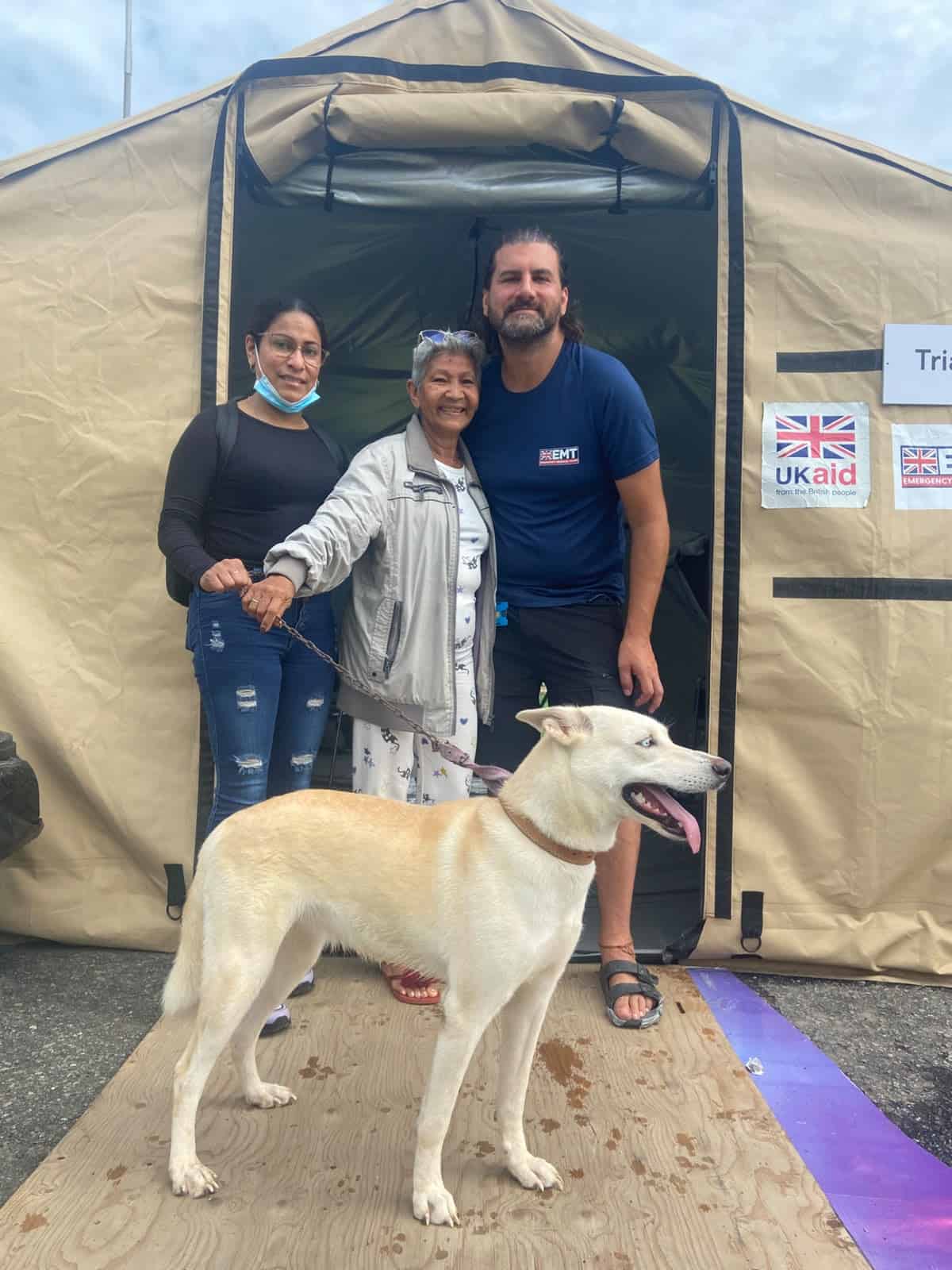
That is when Marc, a nurse with the UK Emergency Medical Team (UK EMT), began providing psychological first aid, during visits to local communities impacted by the earthquakes.
Through daily sessions, Marc helped Luis take small, manageable steps towards feeling safe again. Each day he checked in with her, offering practical support, reassurance and coping strategies. Gradually, Luis began to regain her confidence and independence.
Luis’s experience is not unique. Throughout the response, UK EMT staff have spoken with grieving families who’ve lost loved ones in the earthquakes or are still searching for them in the wreckage of their homes. Many people remain visibly distressed as they come to terms with the scale of the disaster and the uncertainty surrounding their future.
To help meet these growing needs, UK EMT has partnered with Médicos del Mundo to provide psychosocial support for patients and families attending the field hospital. Together, they are ensuring people have a safe space where they can access emotional support, alongside medical care, recognising that recovery involves more than healing physical injuries.
“Psychological first aid isn’t a nice extra, it’s frontline care. Amid the rubble, a calm presence and a listening ear steadied people as much as any bandage did. Treating bodies without tending minds leaves the job half done.
In disaster response, comforting the mind is as vital as treating the body.”
– Marc Robinson
When she was ready, Luis was connected with local organisations who could continue supporting her recovery in the long-term, after the UK EMT leaves, helping ensure she would not face her journey alone.
Ongoing Needs
The earthquakes that struck Venezuela on 24 June 2026 left thousands of people dead, many more injured, homes destroyed and health services under extreme pressure.
Weeks later, the needs of affected communities have shifted from immediate trauma care to longer-term healthcare, rehabilitation and recovery support.
Thousands of families remain in temporary shelters. Hospitals continue to face significant strain, while many people are living with increased risks of infection, disease and complications from existing health conditions.
For vulnerable people, recovery can be especially isolating, making support for emotional wellbeing just as important as treatment for physical injuries.

Supporting Local Communities
The UK Emergency Medical Team responded with a fully equipped field hospital to support communities affected by the earthquakes, funded by the Foreign, Commonwealth & development Office.
The team provides emergency primary healthcare, urgent care, maternal and child health services, support for people with long-term conditions, rehabilitation services and psychological support.
Rehabilitation has become one of the busiest departments within the field hospital. To meet the growing demand, the department has expanded into one of the field hospital’s larger ward tents.
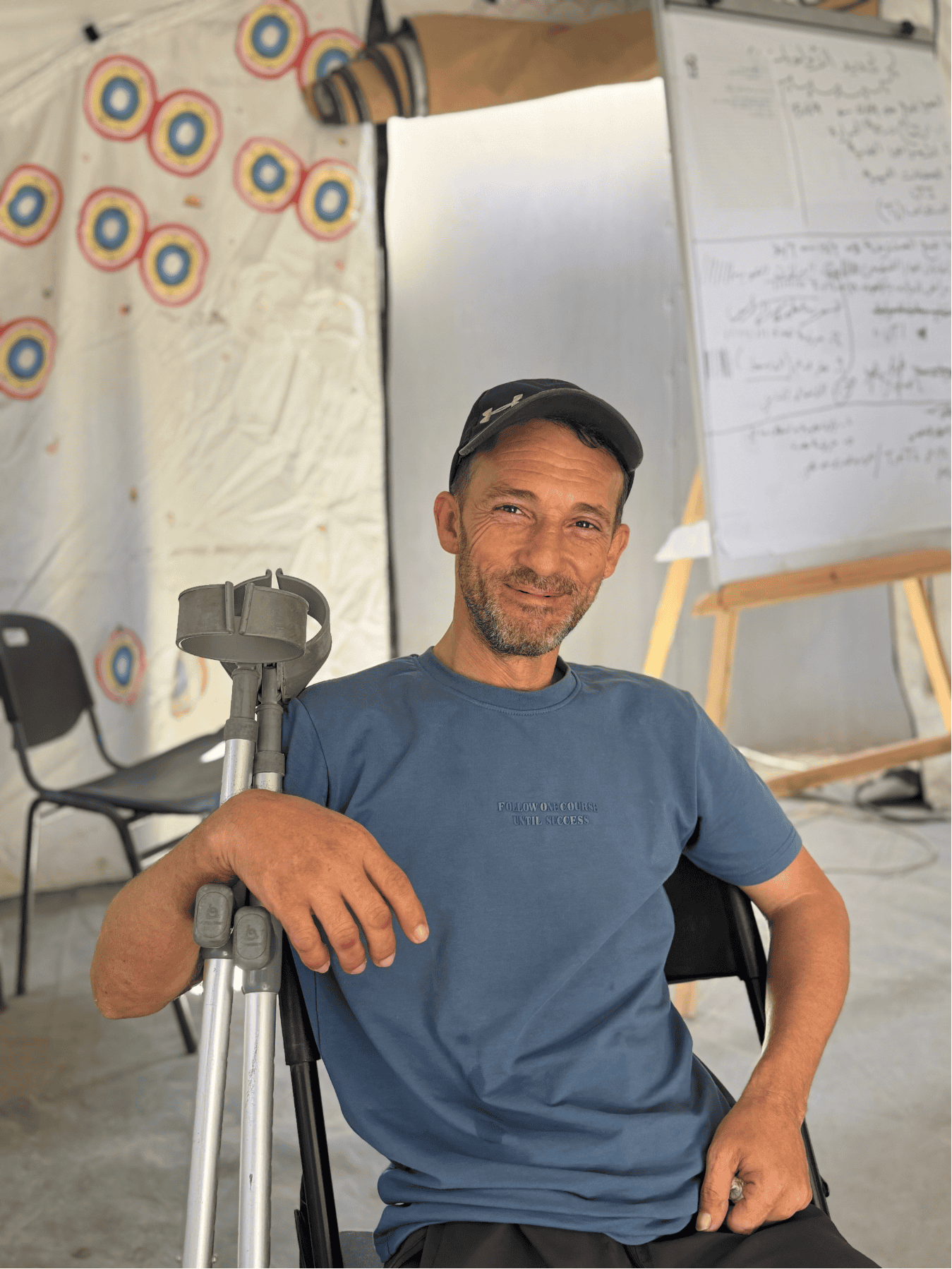
Many patients are seeking help for pre-existing conditions that have worsened since the earthquake. The team is providing much-needed rehabilitation support, including mobility assessments, physiotherapy, orthotics and specialist equipment, alongside trauma-informed care that helps people recover both physically and emotionally.
For those unable to travel to the field hospital, the rehabilitation team has also carried out home visits, ensuring vulnerable patients can continue receiving essential care within their communities.
Ensuring Lasting Care
UK-Med’s approach to emergency healthcare looks beyond immediate medical needs to the whole person, their physical health, emotional wellbeing and support network.
By working alongside local partners and building trusted relationships within communities, people are not left to recover alone.
In Venezuela, this support helped Luis take her first steps back outside. For many others, it provides access to healthcare, rehabilitation, reassurance and hope as they begin rebuilding their lives.