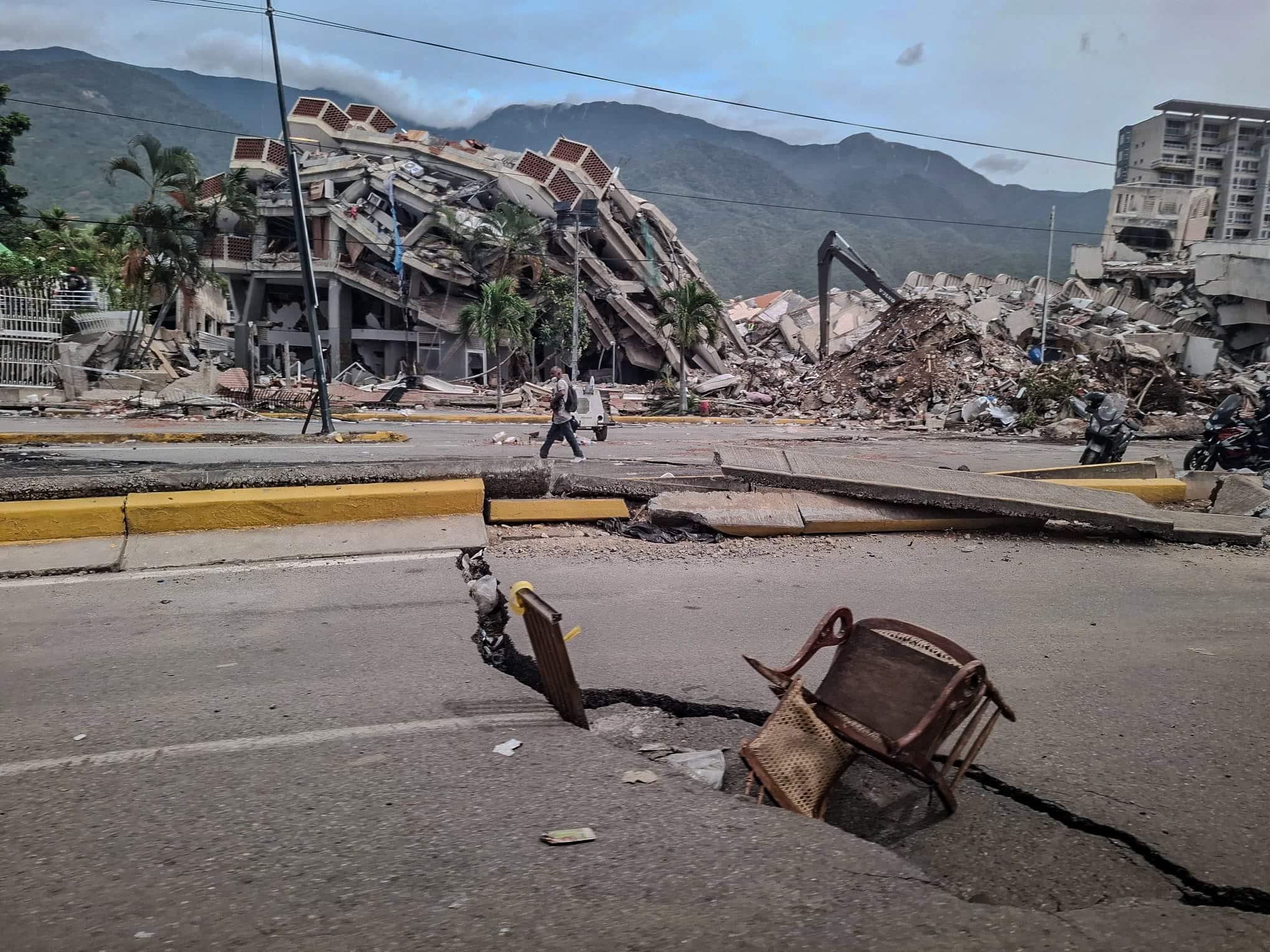


Tragically, at least 900 people have reportedly died, although the death toll is expected to rise as searches continue. Around 4,000 people are reported missing, across Nepal and Tibet. These include hundreds of international tourists and pilgrims from more than 30 countries, including British nationals.
What exactly happened?
At approximately 9.15am on 26 August, a sudden and intense surge of water entered the Bhote Koshi River from the Tibet Autonomous Region of China. The resulting flash flood rapidly struck Timure, Rasuwagadhi and Syabrubesi, causing extensive damage to homes, markets, police infrastructure, roads and hydropower facilities. Authorities have warned that rising water levels could also threaten downstream communities along the Trishuli River corridor.
How did this happen?
On 26 August, a huge section of glacier – estimated to contain around five million cubic metres of ice and rock – broke away high in Nepal’s Langtang mountain range, near the Tibet border. The mass crashed hundreds of metres onto the valley floor with such force that seismic instruments initially registered it as an earthquake. The collapse released and displaced enormous volumes of water, while shattered ice, rock and soil formed a fast-moving debris flow. This surged through the Lhende Khola and into the Bhote Koshi and Trishuli rivers, rapidly overwhelming downstream communities including Timure, Rasuwagadhi and Syabrubesi. Laden with mud and boulders, the flood behaved more like liquid concrete than ordinary river water. The precise trigger remains under investigation, but rising temperatures, accelerated melting and increasingly unstable Himalayan glaciers are understood to be increasing the risk of such collapses.
What is UK-Med doing to respond?
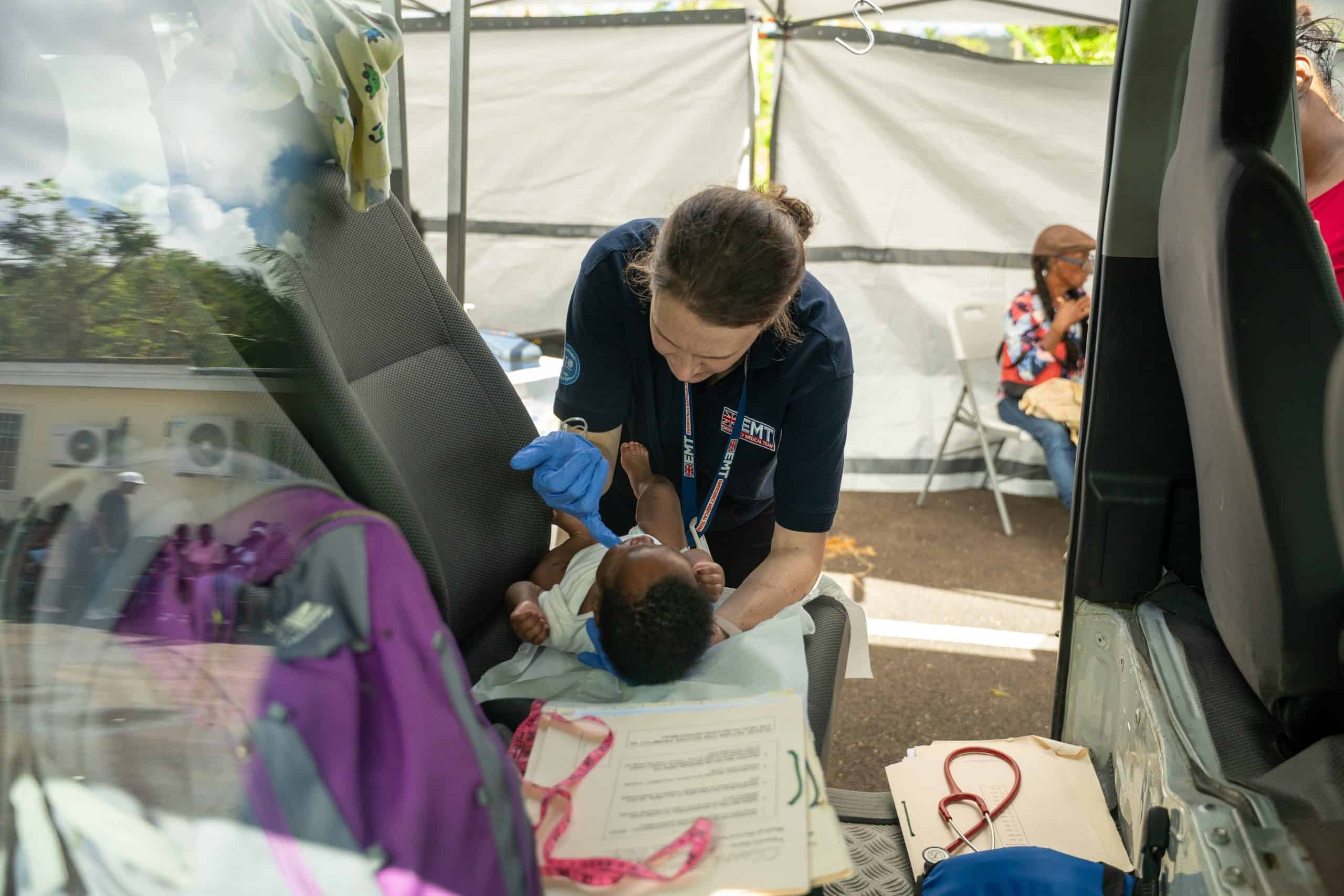
In response to the devastating flash floods affecting Nepal and Tibet, a UK-Med assessment team travelled to Nepal. The team will assess emerging health needs and determine how UK-Med can best support the response. Health infrastructure is severely damaged, access is limited, and immediate health concerns are not limited to trauma-related injuries.