
“DRONE!”
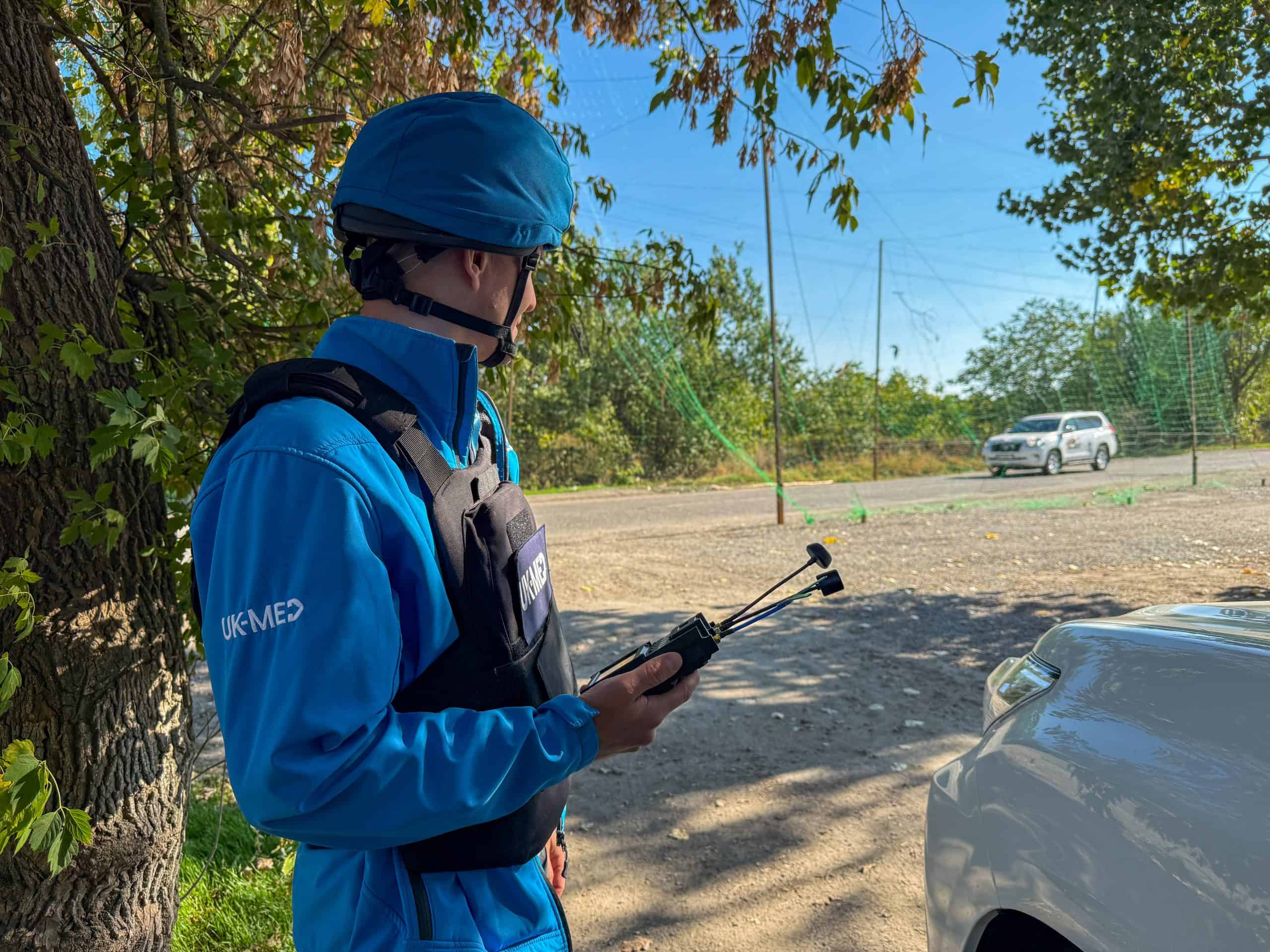
The shout goes out and everyone quickly heads for the cover provided by the walnut trees along the side of the road. Nuts crunch under our feet as the high-pitched buzz of the drone is ominous overhead. It hovers for what seems like forever, before speeding off to find a target.
This is the fourth drone today, and this is the everyday reality for UK-Med teams on the frontline of healthcare in Ukraine.
‘We stay for as long as we are needed’ is a phrase we use regularly at UK-Med. Our humanitarian responses are tailored to the immediate healthcare needs of people in emergencies, until our expertise is no longer required. In Ukraine’s fifth year of conflict, UK-Med is still there, and we are still needed.
Just a few months ago.
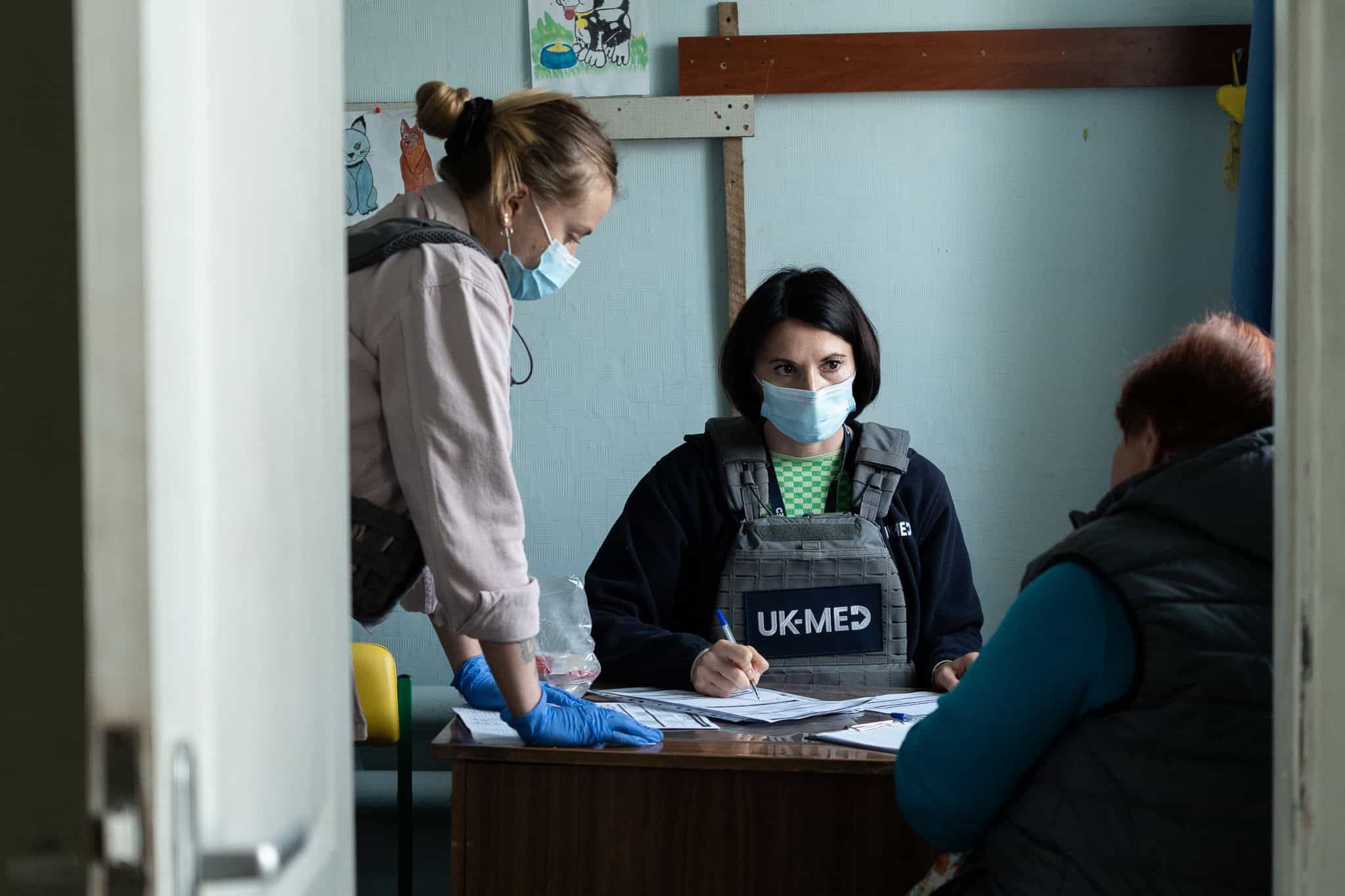
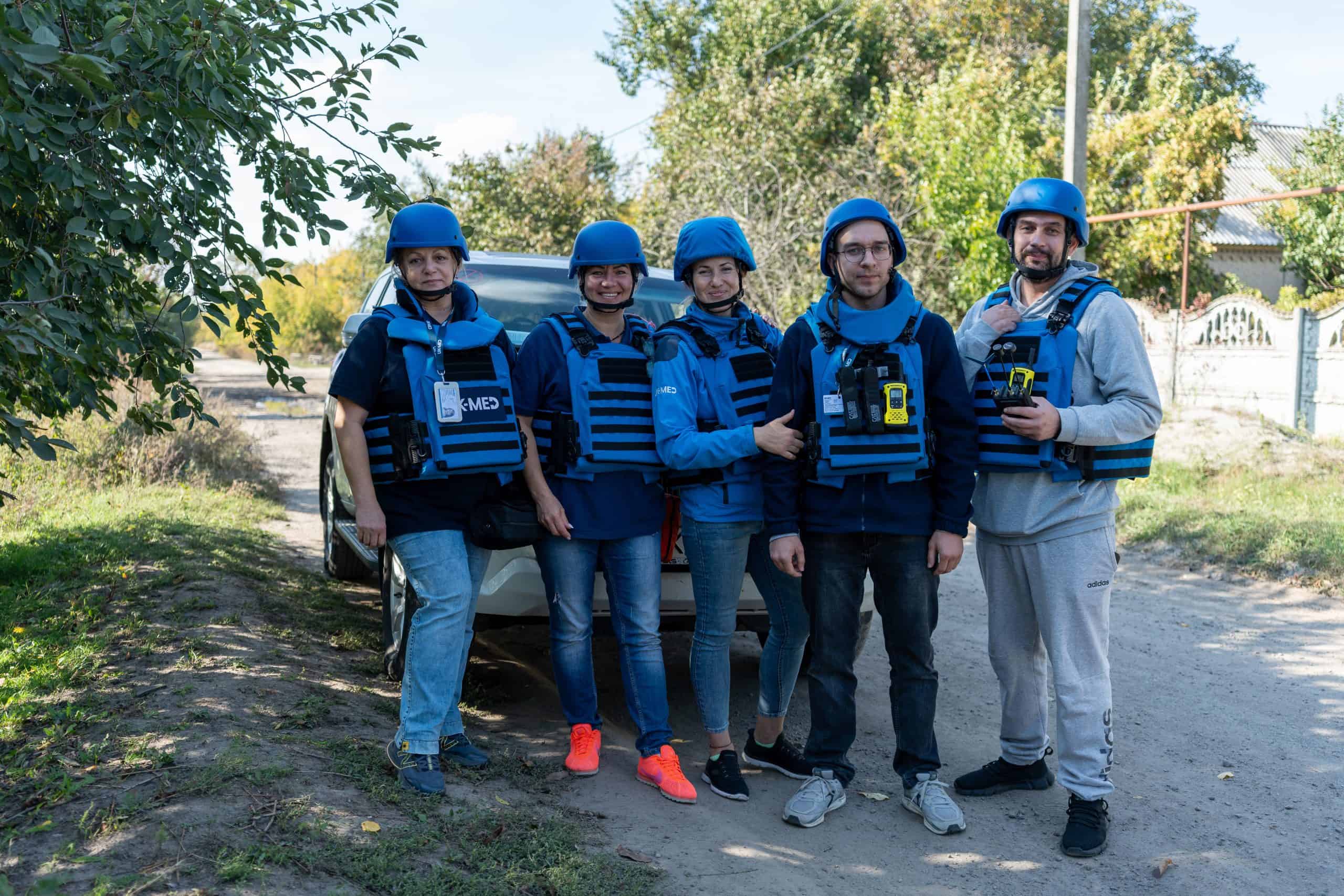
I have visited our teams in Ukraine twice this year, the first time was in February when the country was deep into a bitterly cold winter, and temperatures were as low as -18C. Despite the conditions, UK-Med staff visited remote villages near the frontline and provided routine check-ups, prescription medicines, psycho–social support and essential healthcare, as they have done for the past four years of this conflict.
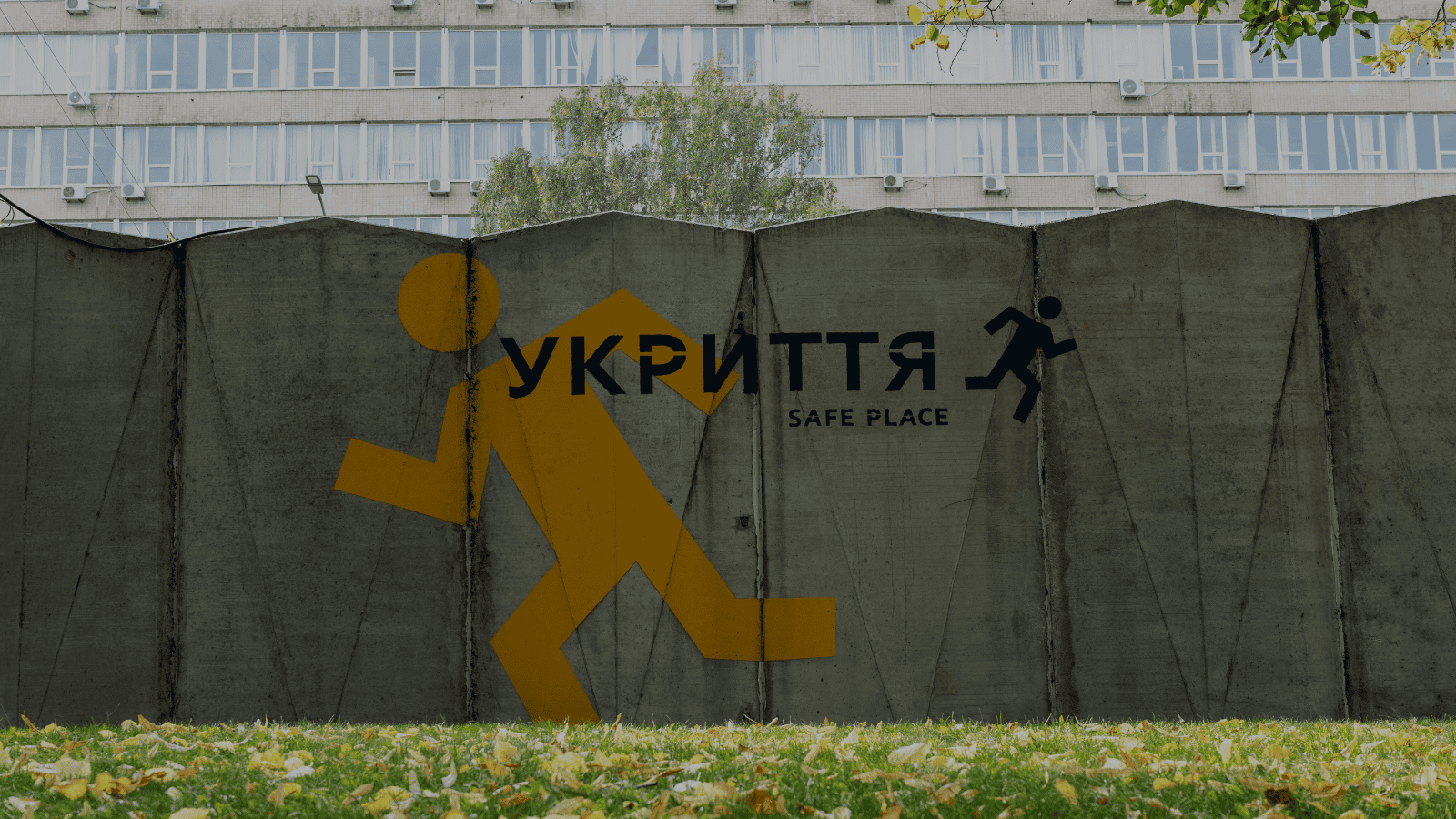
Each night I was woken up two or three times by our security team with the instruction to head underground, due to incoming drones or ballistic missiles. It was exhausting. Disturbed sleep and the fear of attack left me drained and I could not imagine what it was like for our Ukrainian staff who had lived through that since the war started. Yet, each day they would get up, go to work, pull on their winter coats and PPE (personal protective equipment) and head out to help people cut off from healthcare. I left Ukraine in February amazed at the resilience and strength of our staff, and the Ukrainian people.
The reality today.
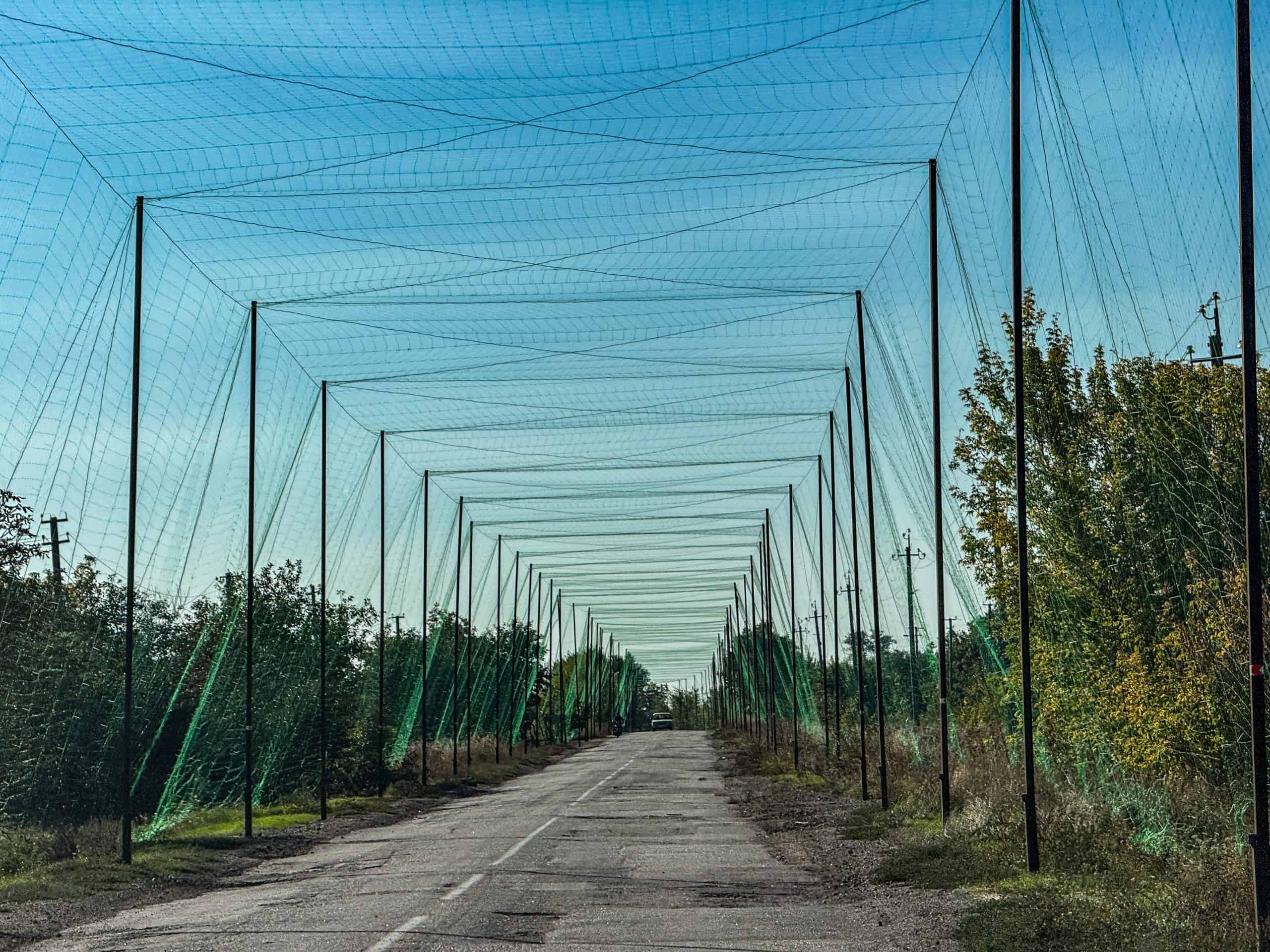
This month, not only was the weather different to my visit in February. The first thing I noticed was the seemingly endless drone netting. In February, some frontline areas were covered by these nets, designed to protect vehicles from the threat of small drones. Now, in October 2026, there are miles after miles of nets that extend far from the frontlines — a grim reminder of how much drone technology and range has increased over the course of a few months.
Another sombre difference from February is the number of nightly air-raid warnings. Every night many Ukrainian cities come under even more intense bombardment from drones and ballistic missiles. The nightly calls from our security team became almost hourly, sometimes reaching six or seven calls per night. A drone was intercepted just 100m from where I was staying. A few streets away, broken glass and charred buildings mark the location of a drone strike a few days before. Any form of effective sleep was not possible.
Despite this escalation, our teams still get up each morning and head out under the drone nets and into harm’s way, to the communities which need them most.
Some things haven’t changed.
The strength and resilience of the staff and people continue despite the exhausting situation, and the constant threat. And UK-Med remains in Ukraine because communities along the frontline still need the healthcare we provide. People with prescriptions still need medicines. When a child is sick, they still need to see a doctor. After years of war, people need mental health professionals to consult on all the atrocities they have endured.
And perhaps the most important part of all, the people of Ukraine need to know they are not forgotten. So ‘we stay, for as long as we are needed’.