

Research Pipeline
Bridging Evidence with ActionsOutbreak Prevention & Immunisation
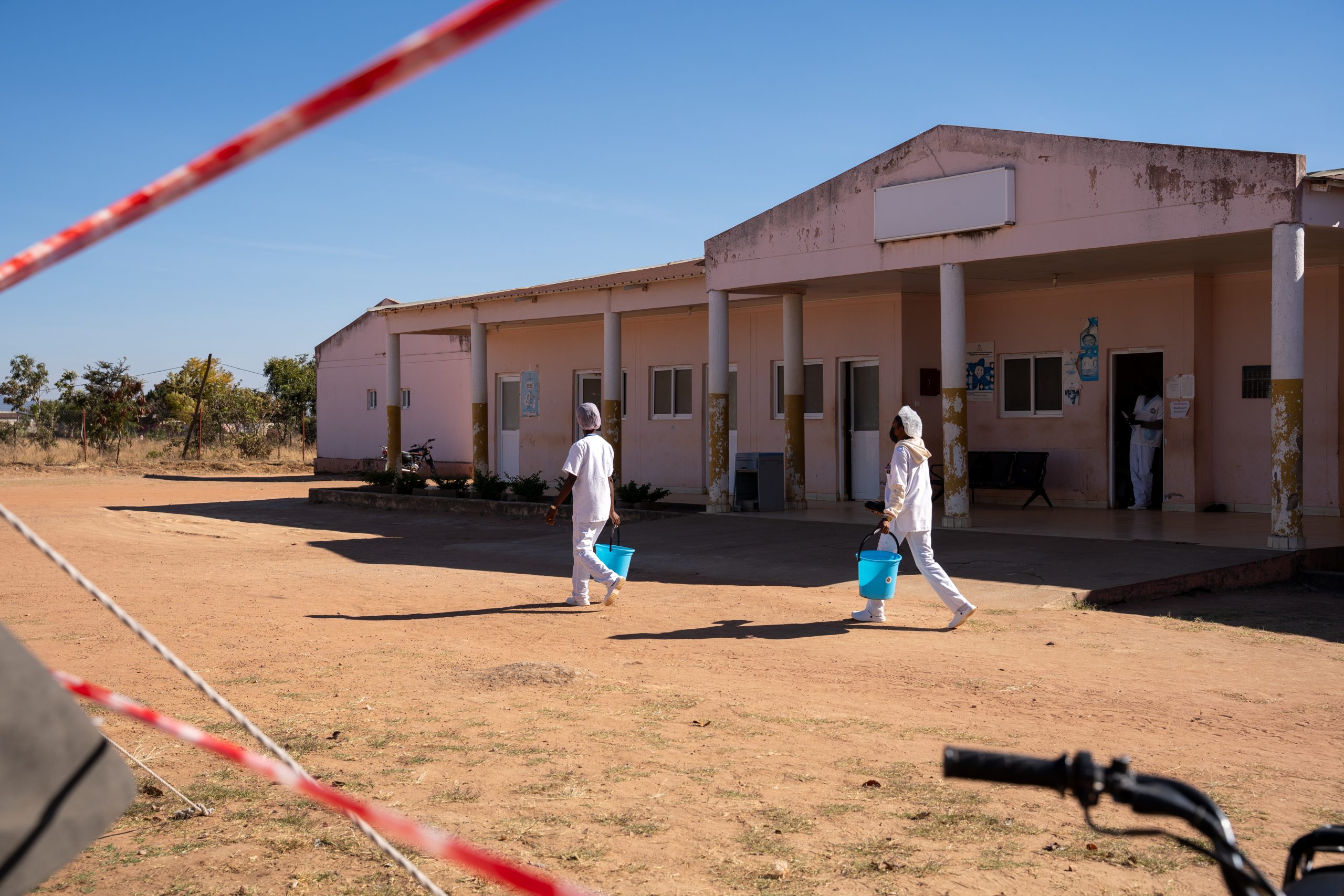
Falling immunisation coverage in fragile states poses a major global health risk. UK-Med’s research strengthens outbreak prevention through evidence-based approaches to vaccination, cold-chain repair, and community outreach.
Key Publications
The Increasing Threat of Vaccine-Preventable Diseases in Lebanon
World Health Organisation (Published December 18, 2024)
Preventing The Next Pandemic in Lebanon
ESPID 2023: Paediatric Infectious Diseases Congress (Published May 8, 2023)
In Progress
Mortality Estimation in Conflict

Highlights & Impact
-
Developed outreach micro-plans and RCCE toolkits to restore vaccination trust.
-
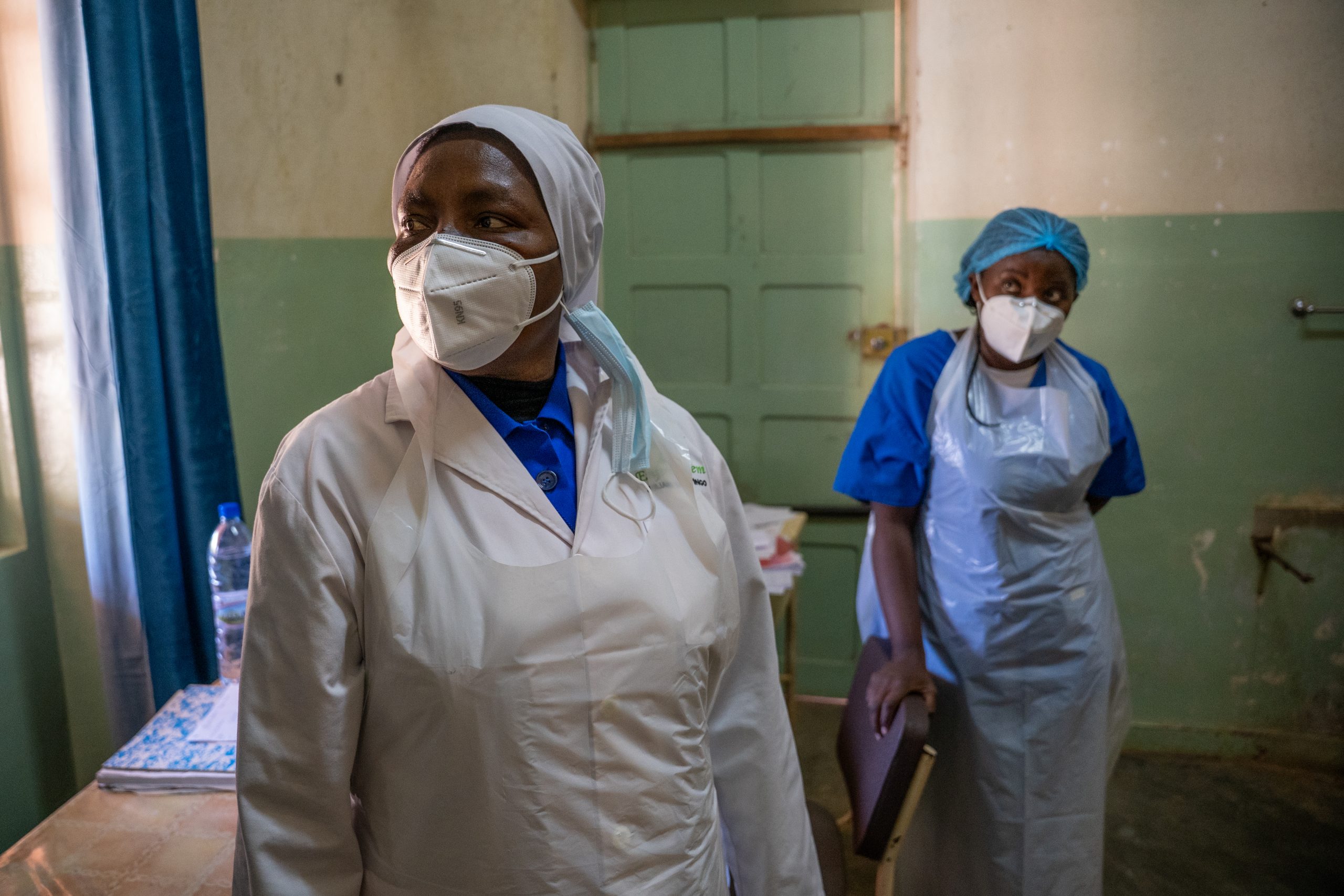
Supported fragile health systems to prevent outbreaks of vaccine-preventable diseases.
Emergency & Primary Care in Crises
In disasters, the majority of healthcare needs are non-trauma related. UK-Med’s research focuses on strengthening post-disaster primary care, improving service data standards, and ensuring continuity of essential medicines.

Key Publications
What Do Patients Seek Care for at a Health Facility in the Aftermath of an Earthquake? Experiences From an Emergency Medical Team in Türkoğlu, Türkiye 2023
Cambridge University Press (Published Jan 10, 2025)
WHO Emergency Medical Teams Minimal Data Set in Conflict-Stricken Ukraine: Comparative Analysis of a New Primary Health Care Coding Tool
Cambridge University Press (Published Nov 22, 2022)

In Progress
Health Needs Among IDPs in Ukraine
– Karolinska Institute & Kharkiv Medical University
Health Needs Among IDPs in Lebanon
– Karolinska Institute & LAU

Highlights & Impact
-
Influenced WHO Minimum Data Set (MDS) templates for EMTs.
-
Provided real-time evidence to improve non-trauma care in disaster zones.
Mental Health & Psychosocial Support (MHPSS)
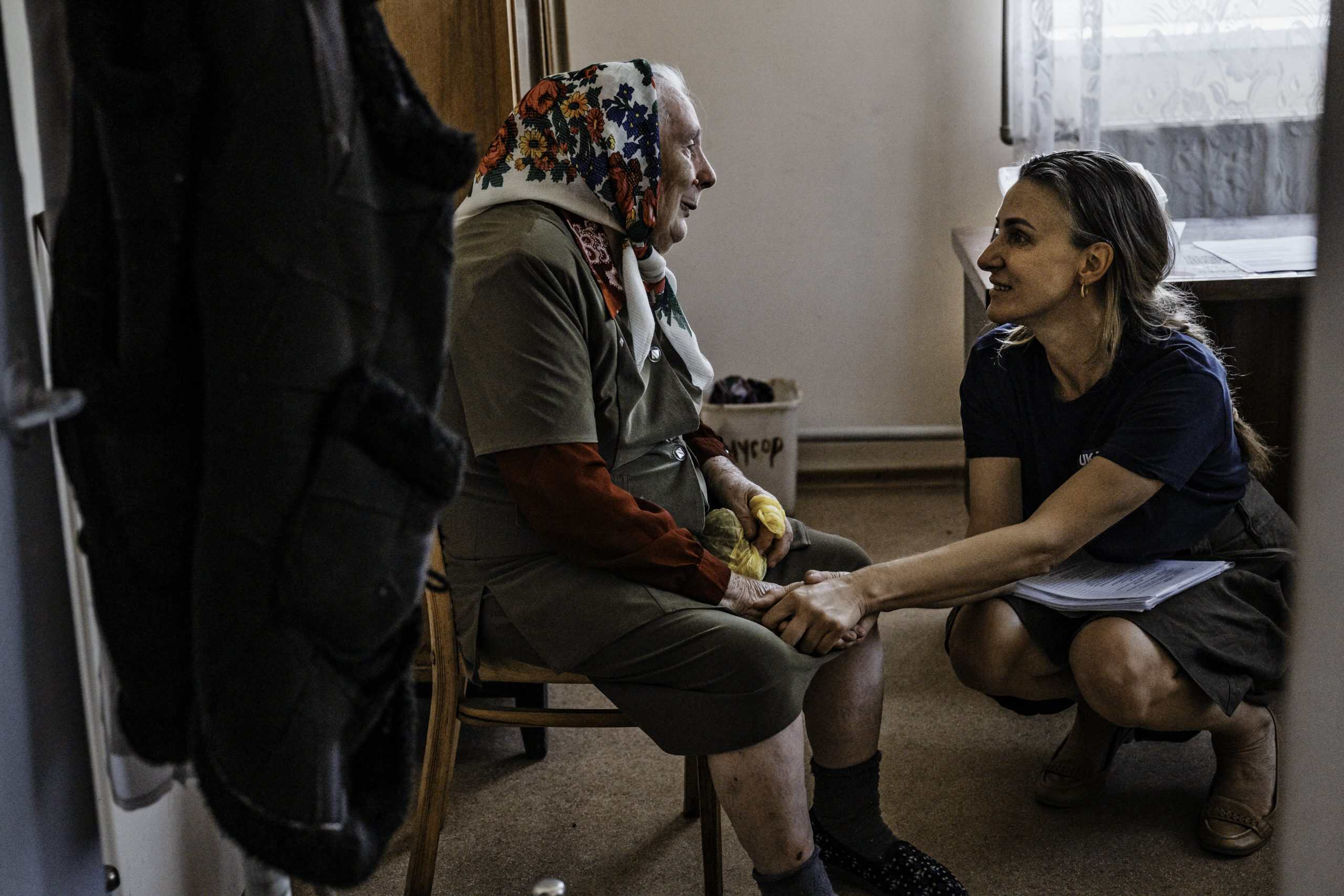
Mental health needs are rising sharply in humanitarian crises. UK-Med studies MHPSS interventions that can be rapidly integrated into emergency medical deployments, ensuring psychosocial well-being alongside physical health.
Key Publications
Team Well-Being and Challenges of Deploying an EMT Halfway Around the World
Cambridge University Press (Published Nov 22, 2022)

In Progress
Minimal Standards of MHPSS SCT

Highlights & Impact
-
Highlighted mental health needs of both responders and affected populations.
-
Contributed to WHO EMT standards on psychosocial integration.
Chronic Care & Continuity (NCDs)
Chronic conditions do not stop during crises. UK-Med’s research examines how humanitarian actors can ensure continuity of care for people with non-communicable diseases (NCDs) in conflict and disaster settings.

In Progress
Continuity of Care in Lebanon & Ukraine
Karolinska Institute partnership

Highlights & Impact
-
Drafted SOPs for NCD management in Type-1 EMT facilities.
-
Advocated for EMT preparedness to include long-term patient care.

Community Engagement & Behaviour Change (RCCE)
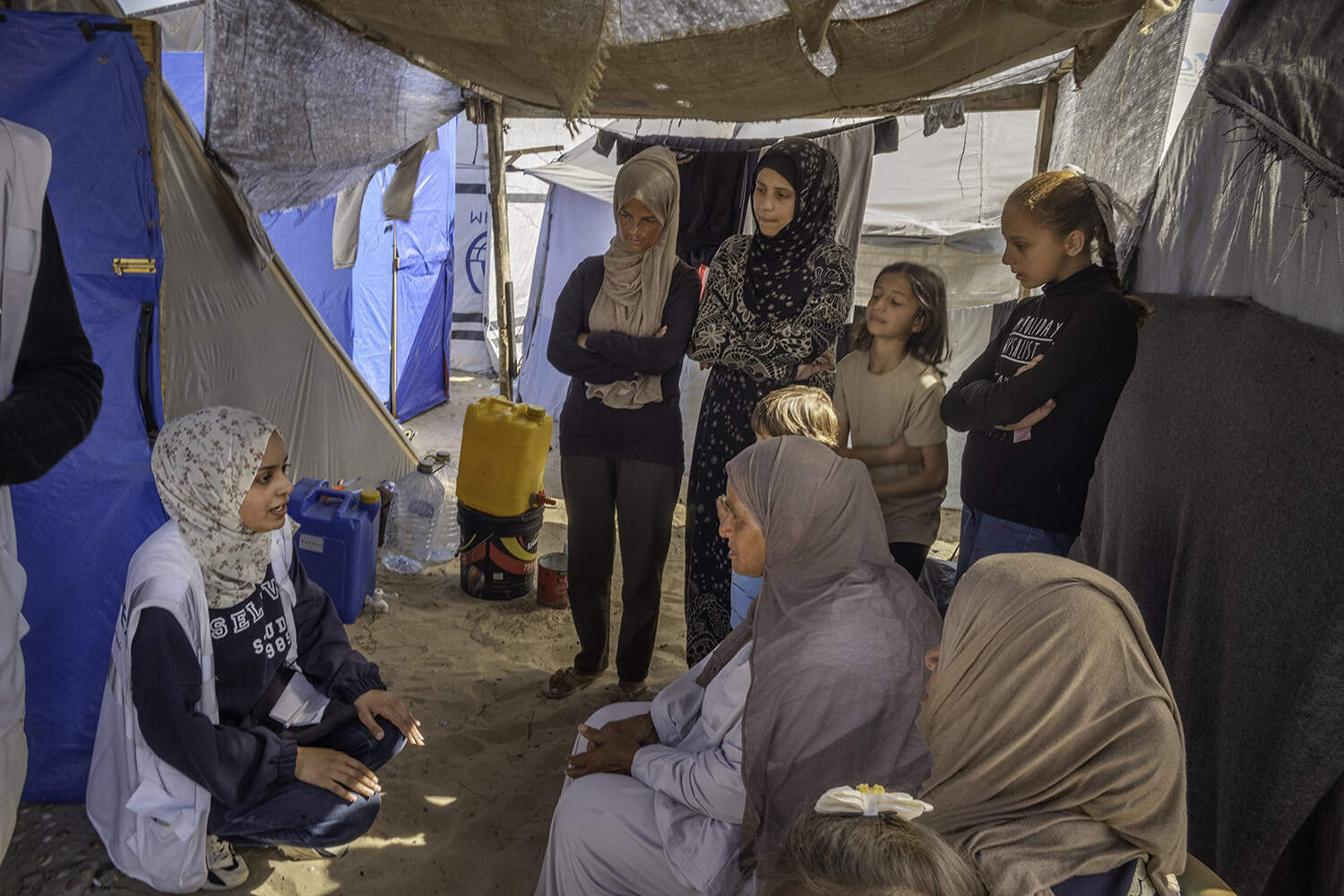
Community trust and participation are essential to outbreak control and health preparedness. UK-Med’s RCCE research develops participatory approaches that promote lasting behaviour change in protracted crises.

Key Publications
Sharing of Best Practices from an Emergency Medical Team Deployment in Papua New Guinea: Piloting a Health Promotion Program Targeting COVID-19 Vaccine Uptake
Cambridge University Press (Published Nov 22, 2022)

In progress
RCCE in Conflict Settings
Qatar University & AUB
Highlights & Impact
-
Demonstrated the impact of participatory RCCE in fragile and conflict settings.
-
Showed how community-based approaches increase resilience and outbreak readiness.
Operational Research & Ethics
Humanitarian response must be both effective and ethical. UK-Med’s new research priority investigates operational challenges, decision-making, and ethical frameworks that guide field practice.

Key Publications
EMT Response in COVID-19 Pandemic: Best Practices from Deployment of UK-MED and PCPM’s EMTs
Cambridge University Press (Published Nov 22, 2022)
UK-MED: Saving Lives in Humanitarian Crises
H.S. Kohli (2024)
Humanitarian Medicine and Disaster Relief
T. Redmond (2025)
Case Study of Leadership Crossing Borders: The Burma Skincare Initiative
S.M. Lwin & C.E.M. Griffiths (2023)
National Outbreak Response Handbook (GOARN)
WHO (2024)

In progress
EMT Short- and Long-Term Impact – FCDO-funded
Early Rehabilitation in Armenia Emergency Response (2023)

Highlights & Impact
-
Supported WHO EMT 2030 strategy on operational research.
-
Encouraged critical reflection across the humanitarian health community.